
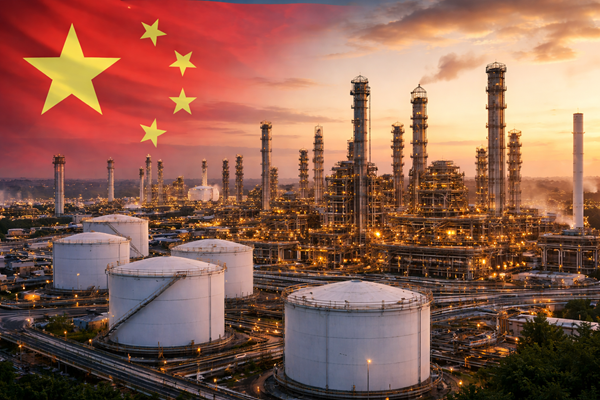
China Orders Immediate Halt to Diesel and Gasoline Exports Amid Gulf Supply Fears
CMB News | Energy Markets | March 2026
China has instructed its largest oil refineries to suspend exports of diesel and gasoline, a move aimed at protecting domestic fuel supplies as tensions in the Persian Gulf threaten global crude oil flows.
The decision underscores Beijing’s growing focus on energy security, prioritizing domestic demand over participation in the international fuel market during a period of geopolitical instability.
Government Directive to Refiners
According to industry sources familiar with the matter, the instruction came from China’s National Development and Reform Commission (NDRC), the country’s top economic planning authority.
Officials reportedly held meetings with executives from major refining companies and verbally instructed them to immediately stop exporting refined fuels.
The directive affects several major state-owned and private refiners, including:
- PetroChina
- Sinopec
- CNOOC
- Sinochem
- Zhejiang Petrochemical
These companies typically receive government export quotas for refined petroleum products, which are now effectively frozen.
Existing Contracts Under Review
The measures reportedly go beyond future exports.
Refineries have been told to:
- avoid signing new export contracts
- renegotiate or cancel existing shipments where possible
However, some exceptions remain in place. The export halt does not apply to jet fuel or marine fuel stored in bonded facilities, and deliveries to Hong Kong and Macau may continue.
Limited Global Supply Impact — For Now
Despite its massive refining capacity, China is not the dominant exporter of refined fuels in Asia.
In seaborne exports of diesel and gasoline, China ranks only third in the region, behind:
- South Korea
- Singapore
- China
Most Chinese refining output is consumed domestically, meaning the global supply shock may remain limited in the short term.
Regional Energy Security Becomes Priority
Nevertheless, Beijing’s move highlights a broader shift across import-dependent Asian economies, where governments are increasingly focused on securing domestic energy supplies as geopolitical risks escalate.
With tensions rising in the Middle East — one of the world’s most important oil-producing regions — governments are preparing for potential disruptions in crude supply.
Market Implications
If instability in the Persian Gulf persists, energy markets could face:
- higher diesel prices in Asia
- tighter refining margins
- increased stockpiling of fuel products
For global commodity markets, the decision serves as another reminder that energy flows are becoming increasingly influenced by geopolitics rather than pure market dynamics.