
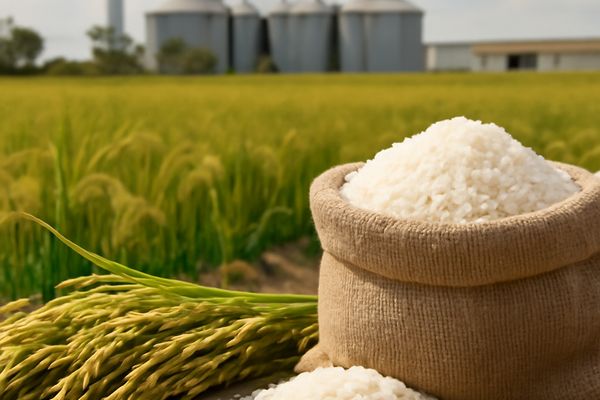


The global rice market is currently experiencing significant turbulence, with Thailand—a major exporter—facing severe disruptions due to escalating conflict in the Middle East. As two ships carrying a combined 80,000 tons of Thai rice bound for Iraq were forced to unload at Bangkok port, the shockwaves have halted exports to what is Thailand’s largest market for the grain. Exporters are in limbo, buyers have called off shipments, and no new purchases are occurring, leaving the entire trade “at a standstill.” This disruption compounds the pressures already facing Thai farmers, who are dealing with rising input costs, a strong baht undermining export competitiveness, and weakened overseas demand.
Despite assumptions that armed conflict triggers food hoarding and boosts demand, logistics bottlenecks and safer shipping concerns mean even desperate buyers can’t actually take delivery of rice. As a result, the outlook for Thailand’s rice sector has darkened further, threatening economic stability for the country’s significant agricultural workforce and pressuring household incomes and rural debt. Domestic rice prices in Thailand have collapsed from last year’s highs due to both a strong harvest and ample global supply, leaving growers with high inventories and sparse relief from local consumption. Added anxiety stems from looming shortages of fuel and fertilizer—key inputs mostly sourced from the Middle East—threatening to further squeeze margins and reduce productivity just as the planting season begins. The market faces not just a pricing crisis but also a mounting socio-economic strain as farm families contemplate whether to reduce plantings, delay loans, or incur more debt to survive.
Exclusive Offers on CMBroker

Rice
all golden, sella
FOB 0.97 €/kg
(from IN)

Rice
all steam, pr11
FOB 0.47 €/kg
(from IN)

Rice
al ısteam, sharbati
FOB 0.64 €/kg
(from IN)

📈 Prices
| Origin | Type/Grade | Latest Quoted Price | Currency | Weekly Change | Market Sentiment |
|---|---|---|---|---|---|
| Thailand | White Rice 5% | 392 | USD/ton | +36 | Bearish (High vs Vietnam/India) |
| Vietnam | White Rice 5% | 356-360 | USD/ton | – | Neutral |
| India | White Rice 5% | 350-354 | USD/ton | – | Neutral |
| India | Golden, Sella (FOB, New Delhi) | 0.97 | EUR/kg | No Change | Stable |
| India | Steam, PR11 (FOB, New Delhi) | 0.47 | EUR/kg | No Change | Stable |
| India | Steam, Sharbati (FOB, New Delhi) | 0.64 | EUR/kg | No Change | Stable |
🌍 Supply & Demand
- Thai Exports Halted: Orders to the Middle East—especially Iraq—are suspended for months, removing a major outlet for supply.
- Forecast 2024: Thai exports set to fall 11% to 7 million tons, lowest in five years.
- Shipments stalled: Direct war risk has raised surcharges and insurance, and buyers fear further escalation around the Strait of Hormuz.
- Demand: Ample global supplies and Thailand’s relatively high price limit further international demand; domestic demand is weak due to good harvests.
📊 Fundamentals
- Currency Impact: Thai baht strength erodes competitiveness versus Vietnam and India.
- Input Costs: Soaring prices for fertilizer and fuel—mostly imported from the Middle East—add stress just as planting is about to start.
- Farmers’ Plight: Many growers face high debt and may reduce future planting to manage input and financial pressures.
- Domestic Price Crash: Unmilled paddy rice with 15% moisture fell to 6,800 baht/ton (Jan), half last year’s price.
⛅ Weather & Input Outlook
- Key concern: Disrupted supplies of fuel and fertilizers could push costs higher if the Middle East crisis deepens.
- Inventories: Current fertilizer stocks may last 2-3 months at current usage, but re-supply is at risk and many are stockpiling.
- Harvest: Good yields but logistical bottlenecks; reaping is underway amid hoarding fears for fuel.
🌏 Global Production & Stocks
- Thailand: Exports dropping sharply from 2023; buyers switching to Vietnam and India for cheaper supply.
- Vietnam: Competitive pricing keeps demand steady.
- India: Low prices, stable exports, some logistical and quality concerns.
- Global: Overall supplies remain ample, dampening price upside despite regional disruptions.
💡 Trading Outlook & Recommendations
- Monitor the Middle East conflict: Escalation could force additional risk premiums or shipping blockades.
- Watch currency trends: Further baht strength will hurt Thai competitiveness vs. peers.
- Trade flows likely to favor Vietnam and India in the near term, given price and logistics advantages.
- Input buyers should seek to lock in fertilizer and fuel deals before potential replenishment shortages bite.
- Be alert for government support schemes in Thailand as rural pressure mounts.
📆 3-Day Regional Price Forecast
| Region/Exchange | Current Price | Forecast (Next 3 Days) | Trend |
|---|---|---|---|
| Thailand FOB | 392 USD/ton | 390–395 USD/ton | Stable/Weak |
| Vietnam FOB | 356–360 USD/ton | 355–362 USD/ton | Stable |
| India FOB | 350–354 USD/ton | 350–356 USD/ton | Stable |
Related posts:
 Six Ships Attacked in Gulf and Strait of Hormuz as Middle East War Threatens Global Shipping
 Energy Shock Threatens Europe’s Retail Sector as Oil Prices Surge After Iran War
 45,000 Indian Containers Stranded as Middle East Conflict Drives Export Costs Fivefold
 Middle East Shipping Crisis Disrupts Food Ingredient Trade – European Suppliers Facing Delivery Problems
 Rice Market Faces Historic Supply Shock as West Asian Trade Halts Amid War
 Russian Oil Cargoes Redirected to India as Middle East War Disrupts Supply
 Iran Suspends All Agricultural Exports Amid Escalating Middle East Conflict
 Walnut Market Disruption: California Exports to Middle East Halt, Global Trade Shifts