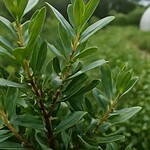
Egyptian FOB prices for laurel (bay) leaves in Cairo have inched up again, reflecting firm export demand and rising logistics costs rather than any acute supply shock.
Over the past month, laurel leaf prices in Egypt have moved slightly higher while remaining within a relatively tight range, suggesting a firm but not overheated market. Stable growing conditions in the Nile Delta support steady raw material availability, but exporters face mounting external cost pressure from higher ocean freight and fuel surcharges after renewed disruptions in the wider Middle East and shipping lanes. Rising bunker costs linked to the Iran conflict and closure of the Strait of Hormuz are beginning to trickle into container freight rates, with forwarders on China–Middle East routes reporting rate spikes of several hundred dollars per container since late March. Importers should therefore watch logistics surcharges as closely as origin prices when evaluating near‑term procurement.
Exclusive Offers on CMBroker

Laurel (bay) leaves
Whole
FOB 2.15 €/kg
(from EG)
📈 Prices & Market Snapshot
FOB Cairo prices for conventional whole laurel leaves from Egypt stand around EUR 2.15/kg, modestly above levels seen in early March in euro terms after currency conversion from recent USD‑denominated offers. Day‑to‑day volatility remains low, but the bias is upward as exporters try to recover higher freight and insurance costs in their offer levels.
| Date (2026) | Location | Term | Price (EUR/kg, FOB) |
|---|---|---|---|
| 26 March | Cairo, Egypt | FOB | ≈ 2.15 |
| 20 March | Cairo, Egypt | FOB | ≈ 2.12 |
The roughly 1–2% firming over the month is small in absolute terms, but when combined with surging freight rates it translates into a more meaningful landed‑cost increase for buyers in Europe and the Middle East.
🌍 Supply, Demand & Logistics
On the supply side, there are no fresh reports of crop damage or disease affecting aromatic leaves in Egypt, and the broader Nile Basin hydrological outlook for March–May 2026 points to near‑normal conditions, supporting stable herb and spice production. Domestic demand remains modest, so export availability is mainly constrained by logistics and financing rather than raw material scarcity.
The main bullish driver lies in freight. The 2026 Iran war and temporary closure of the Strait of Hormuz have sharply lifted oil prices and disrupted tanker and container traffic, pushing global shipping lines to adjust routes and add fuel surcharges. Recent logistics commentary indicates ocean freight costs have jumped by roughly EUR 370–550 per container since around 20 March, with some China–Middle East lanes quoted at 5–6 times levels of two weeks earlier and forwarders advising shippers to expect continued volatility. These increases are feeding directly into spice and herb export offers from Egypt.
📊 Fundamentals & Weather
Laurel leaves are a niche but steady export line for Egypt within the wider herbs and spices complex. With no major competitor‑country shock reported in the Mediterranean bay‑leaf belt in the last few days, Egypt’s competitive position is largely unchanged, and buyers still view the country as a reliable origin for conventional product. The key risk is less about yield and more about logistics and macro‑driven input costs such as energy and packaging.
Weather for the next several days over the Nile Delta and greater Cairo area is seasonally warm and dry, with no indications of extreme heat, heavy rainfall, or flooding that could stress laurel stands or disrupt harvesting and drying operations. This benign short‑term outlook supports the expectation of stable physical availability from Egyptian processors in the immediate term.
📆 Short-Term Outlook & Trading Ideas
- Bias: Mildly bullish FOB. With freight and fuel surcharges rising, Egyptian laurel offers are likely to remain under upward pressure even if farm‑gate prices stay relatively flat.
- Importers (EU, MENA): Consider advancing Q2 purchases where storage allows, locking in volumes before additional freight surcharges fully filter through to quotation levels.
- Exporters (Egypt): Maintain price discipline and explicitly separate product price and logistics surcharges in offers to preserve margins and transparency with buyers.
- Risk focus: Monitor developments around the Strait of Hormuz conflict and any renewed disruptions around the Red Sea and Suez, which could further lift bunker prices and container rates.
📉 3-Day Regional Price Indication (FOB, Directional)
- Cairo (FOB laurel leaves, EUR/kg): Current ≈ 2.15; next 3 days seen stable to slightly firmer (+0–2%) as exporters reassess freight cost pass‑through.
- Landed EU Med ports: Product prices steady, but landed costs likely to edge up due to higher ocean freight and fuel surcharges on east–west routes touching the Suez corridor.
- Gulf destination ports: Elevated freight volatility implies wider offer ranges, even if FOB Egypt remains relatively stable.