
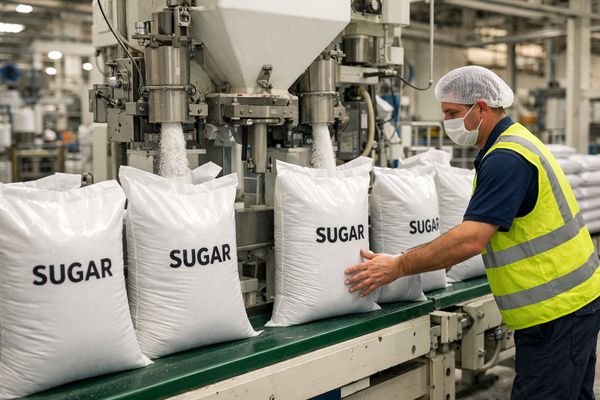
Iran War and Hormuz Strait Closure Ignite Petrochemical Shockwave for Global Packaging Supply Chains
The ongoing Iran war and effective closure of the Strait of Hormuz have triggered a sharp spike in oil and gas prices, driving a rapid escalation in global petrochemical and plastics costs. Packaging resins such as polyethylene (PE) and polypropylene (PP) are already seeing double‑digit price gains, raising the risk of higher food and consumer goods prices in the coming months.
With Middle Eastern exporters cut off from key shipping lanes and war‑risk premiums elevated, buyers in Europe and Asia are scrambling for alternative resin supply, while US producers see rising export interest. The disruption is set to reshape plastics and packaging trade flows if the conflict and maritime constraints persist.
Introduction
The Iran war has escalated into a full‑scale regional crisis, with Tehran largely closing the Strait of Hormuz—through which around 20% of global seaborne oil and significant LNG volumes normally transit. Oil prices have surged above $110–120 per barrel and gas benchmarks have jumped, creating what the International Energy Agency has called one of the largest energy supply disruptions in history.
This chokehold on a critical energy and petrochemical corridor is reverberating across global plastics value chains. The Middle East is a key exporter of resin feedstocks, particularly PE and PP, and the sharp rise in feedstock and freight costs is feeding through into polymer prices worldwide. Analysts and industry sources report that spot resin prices have moved up by double‑digit percentages within weeks, with packaging converters and FMCG companies now facing rapidly rising input costs.
🌍 Immediate Market Impact
The effective closure of Hormuz, combined with elevated war‑risk insurance in the Persian Gulf, has significantly constrained oil, gas and petrochemical exports from Iran and its Gulf neighbors. War‑risk premiums for tankers remain high despite easing from peak levels, adding several dollars per tonne to delivered feedstock and resin costs.
Crude oil futures have surged well above $110 per barrel, with some assessments near $120–126, as traders price in prolonged supply risk. Higher naphtha and LPG prices are pushing steam cracker costs upward, squeezing margins and forcing resin producers to lift prices aggressively. In parallel, container and tanker flows out of Gulf petrochemical hubs have dropped sharply, with some cargoes stranded in the Persian Gulf and others rerouted via longer, costlier paths.
📦 Supply Chain Disruptions
Middle Eastern petrochemical complexes—particularly in Saudi Arabia, Qatar and the UAE—are facing severe export bottlenecks, as both crude and downstream products struggle to move through Hormuz. Qatar’s LNG exports have already been curtailed under force majeure, while refinery and petrochemical shipments from across the Gulf are constrained by security risks and insurance hurdles.
Port congestion is building in Gulf terminals as tankers and chemical carriers queue or remain idle, awaiting safer passage or political clarity. At the same time, some trade is being rerouted through the Red Sea and Bab el‑Mandeb, but renewed Houthi missile activity has raised concerns about a second chokepoint on alternative routes. This increases voyage times and freight rates for resin shipments to Europe and Asia.
Converters in Europe and Asia report tighter resin availability and extended lead times, with some plants running at reduced operating rates amid expensive feedstocks. US resin producers are beginning to see stronger export inquiries, particularly from Europe, but shifting supply chains takes weeks given logistics lead times and contractual commitments.
📊 Commodities Potentially Affected
- Polyethylene (PE) – Heavily exported from the Middle East; higher oil and naphtha prices plus export bottlenecks are driving sharp price increases and tightening global availability.
- Polypropylene (PP) – Similar exposure to Middle Eastern export flows; spot prices in Asia have risen by several hundred dollars per tonne since early March on supply fears.
- Other petrochemical resins (MDI, polyols, etc.) – Major chemical producers have announced price hikes of up to 50% for key intermediates, citing feedstock cost pressure and freight uncertainty linked to the Iran conflict.
- Plastic packaging materials (films, bottles, containers) – As PE and PP prices climb, converters face rising costs for packaging used across food, beverage and household products, with pass‑through to end buyers expected in coming months.
- Fertilizer feedstocks and ammonia derivatives – Elevated gas prices and constrained LNG flows from the Gulf raise production costs for nitrogen fertilizers, increasing input costs for agriculture and potentially affecting crop economics.
- Refined fuels (diesel, marine fuels) – Gasoline and diesel have moved higher globally, lifting transport and logistics costs for agricultural and food supply chains.
🌎 Regional Trade Implications
The disruption is accelerating a pivot in plastics trade flows. Europe is poised to increase imports of US resins, given shorter Atlantic routes compared with Asia and ongoing constraints out of the Gulf. Asian buyers, while heavily reliant on Middle Eastern supply, may only gradually switch to US and other alternative sources due to longer transit times and higher freight, particularly if they expect a political resolution.
Middle Eastern exporters are losing market share in the near term as they struggle to move volumes through Hormuz, with some producers likely to cut operating rates if storage fills up. Conversely, US and perhaps Latin American producers stand to benefit from improved pricing power and incremental export demand, especially for PE and PP.
Import‑dependent regions—such as Europe, parts of Africa, and many Asian economies—face increased exposure to price volatility and supply risk. Food processors and consumer goods manufacturers in these markets may encounter higher packaging costs and potential shortages of specific resin grades, forcing reformulations, lightweighting initiatives, or temporary product adjustments.
🧭 Market Outlook
In the short term, petrochemical and resin markets are likely to remain tight, with elevated prices and high volatility as traders react to headlines about Hormuz navigation, Red Sea threats and ceasefire prospects. Any further escalation—such as direct attacks on petrochemical infrastructure or broader Red Sea disruption—could trigger another leg higher in resin and packaging prices.
If conflict conditions stabilize and limited transits through Hormuz continue under Iranian control, markets may see a plateau in prices at a higher level, rather than an immediate retreat. However, structural risks remain: insurance costs, tolls, and political uncertainty will likely keep a risk premium embedded in oil and petrochemical prices for months, sustaining pressure on plastics and packaging margins.
CMB Market Insight
The Iran war and Strait of Hormuz crisis represent a systemic shock to global petrochemical and packaging supply chains, rather than a short‑lived price spike. For agricultural and food industry participants, rising resin costs will increasingly influence total delivered costs, especially for plastic films, bottles, and bulk packaging used in grains, oils, dairy and processed foods.
Commodity traders, importers and processors should reassess exposure to Middle Eastern petrochemical supply, diversify resin sourcing where possible, and factor structurally higher packaging costs into forward pricing and hedging strategies. Monitoring tanker traffic through Hormuz and Red Sea security developments will remain critical for anticipating the next moves in resin, fuel and logistics prices across the agri‑food value chain.
Related posts:
 Iran War Chokes Hormuz, Diverts Diesel Cargoes and Tightens Global Middle Distillate Supply
 Hormuz Closure Deepens Middle East Shipping Crisis, Weighing on China’s Sunflower Seed Trade
 Middle East Escalation and Hormuz Closure Tighten Freight and Demand Conditions for China’s Sunflower Seed Complex
 Strait of Hormuz War Chokes Gulf Oil Flows, Roiling Energy and Food Commodity Costs
 India Turns to Iranian LPG as Strait of Hormuz Conflict Deepens Gas Supply Shock
 Iran allows ‘non-hostile’ ships to pass through Strait of Hormuz
 Middle East Energy Strikes and Hormuz Disruption Push Fuel Costs Higher for IR and QA Food Chains
 Middle East Escalation and Hormuz Closure Tighten Logistics for China’s Pumpkin Seed Exporters