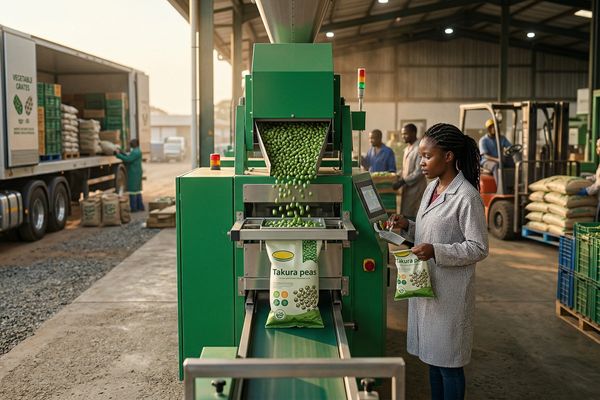
Zimbabwe’s Takura Enters Direct Export as Fuel Shock and Delayed Pea Harvest Reshape EU Supply
Takura, a Zimbabwe-based grower-exporter of peas, fine beans, passion fruit and chillies, is entering its first season of direct exports to Europe in 2026 just as diesel and fuel prices in Zimbabwe jump 34–39% and heavy rains delay the start of the mangetout and sugarsnap pea harvest. The company’s minimum 200 mt pea programme is already fully pre-sold into the UK, Germany, France and the Netherlands, but higher logistics costs and compressed shipping windows are set to test margins.
Peru, Zimbabwe’s main rival in European pea markets, is facing its own flood-related disruption this year, potentially tightening April–August fresh pea availability and supporting prices. Against this backdrop, Takura’s shift away from South African consolidation hubs to direct export routing signals a structural change in regional trade flows for early-season peas and associated high-value horticultural lines.
Introduction
Takura operates through more than 200 smallholder farmers in Zimbabwe’s Midlands Province, supplying mangetout and sugarsnap peas, fine beans, passion fruit and chillies to European buyers under an outgrower model backed by the Takura Trust, funded by Valterra Platinum (formerly Anglo American Platinum). The trust’s mandate prioritises livelihood improvement alongside commercial returns, positioning Takura squarely within the growing ESG-focused procurement strategies of European retailers.
In 2026 the company moves into direct exporting for the first time, bypassing prior consolidation in South Africa that added around 700 km of road freight when trucking from Harare to Johannesburg before onward shipment. This strategic shift coincides with a sharp escalation in domestic fuel costs and ongoing global air freight rates that remain about 40–50% above pre-conflict levels on key fresh-produce lanes, raising the stakes for cost control and route optimisation.
🌍 Immediate Market Impact
The delayed start to Zimbabwe’s mangetout and sugarsnap pea season following rain disruption has pushed first exportable volumes into early April instead of late March, compressing the period in which Zimbabwe traditionally enjoys a first-mover advantage over Kenya and Peru in European fresh pea supply. Takura expects harvest to run through August and September, but the late start tightens weekly shipping slots and cold-chain capacity utilisation.
With Peru experiencing flood-related production setbacks this year, buyers in the UK and continental Europe face a more finely balanced supply picture for premium peas, particularly on air-freighted programs. This could underpin firm to higher prices and heightened spot-market volatility if any additional logistical shocks occur, especially given that Zimbabwean growers report sharply higher diesel-based production and transport costs.
📦 Supply Chain Disruptions
Takura’s logistics network combines road freight from Harare to Durban or Cape Town for sea shipments, alongside air-freight departures from Harare via Johannesburg, Addis Ababa, Nairobi or Dubai, depending on airline schedules and destination markets. The move to direct export removes one layer of consolidation cost but increases operational complexity, as Takura must now coordinate multi-route options and manage bookings directly with carriers.
Fuel price inflation of 34–39% is inflating field operations, packhouse energy, and overland transport costs across the company’s network of smallholder farmers. Because Takura provides inputs and certification costs up front in exchange for marketable crops, much of this inflation is absorbed at exporter level rather than passed immediately to growers, compressing margins unless export prices or buyer programmes adjust upward. Any congestion or schedule disruption at South African ports, or at key transit hubs such as Johannesburg and Addis Ababa, would further erode already tight returns on sensitive air-freighted consignments.
📊 Commodities Potentially Affected
- Mangetout and sugarsnap peas: Core of Takura’s 200 mt export programme, fully pre-sold into the UK, Germany, France and the Netherlands; delayed harvest and higher freight costs could tighten early-season availability and lift prices for premium quality.
- Fine beans: While Kenya remains the dominant African origin, any re-allocation of freight capacity towards peas could temporarily limit Zimbabwean fine bean shipments, affecting niche European buyers seeking origin diversification.
- Fresh chillies: Takura’s chilli volumes serve both European importers and South Africa’s food service sector, including Nando’s; higher fuel and transport costs may necessitate contract price adjustments or a focus on higher-margin specifications.
- Passion fruit: Zimbabwe’s established reputation for high-quality passion fruit positions Takura to scale this category; freight cost inflation could slow growth but also support firm pricing in EU speciality fruit channels.
- Emerging lines (gooseberries, baby corn, sweet corn): Planned expansion from the 2026/27 summer season will depend on securing efficient logistics solutions; elevated freight rates may delay or limit early-stage scale-up.
🌎 Regional Trade Implications
Zimbabwe’s ability to maintain its traditional first-mover window for peas ahead of Kenya and Peru gives European retailers an alternative origin at a time when Peruvian production is disrupted by flooding, reducing global supply flexibility in this niche but high-value segment. In the near term, this could shift incremental EU procurement towards Zimbabwe and, to a lesser extent, Kenya, particularly for retailers prioritising continuity over absolute lowest cost.
The transition to direct export from Zimbabwe also marginally reduces the role of South African consolidation hubs in regional horticultural trade, at least for Takura’s volumes. Over time, if similar outgrower-based exporters adopt this model, more value could be retained in-origin through integrated packing and logistics, though regional logistics providers and South African freight forwarders may see a dilution of throughput on certain lanes.
🧭 Market Outlook
Over the next 30–90 days, market participants will watch the pace of Zimbabwe’s pea harvest, the reliability of cold-chain performance on multi-leg routes, and the extent to which Peruvian flood damage curtails overlapping shipments into Europe. With Takura’s pea programme already sold forward, spot market liquidity in Europe may be limited, amplifying price swings if demand surprises to the upside or if shipments are delayed.
On a six- to twelve-month horizon, Takura’s plans to extend its grower base into additional provinces and add new crops could increase Zimbabwe’s share of EU imports in speciality vegetables and tropical fruit. However, persistent fuel cost inflation, structurally higher air-freight rates and the capital intensity of packhouse certification for new areas remain key execution risks that could cap export growth or force further price renegotiations with buyers.
CMB Market Insight
Takura’s 2026 season highlights how rapidly rising logistics costs and climate-related harvest disruptions are reshaping fresh-produce trade patterns even at relatively modest volume scales. For importers and retailers, Zimbabwe offers early-season diversification in peas and differentiated social-impact credentials that align with ESG sourcing priorities, but at the cost of higher exposure to complex multi-country freight chains.
Commodity traders and procurement teams should expect firmer pricing and episodic volatility in premium peas and related air-freighted vegetables through the European summer window, with limited scope for rapid supply substitution if further disruptions emerge. Monitoring Zimbabwe’s direct-export performance this season will provide an important signal of the region’s capacity to capture more value in-origin while sustaining reliable, traceable supply into high-demand European markets.