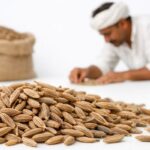
Thyme FOB prices from Egypt and India softened marginally this week, with no sign of acute supply stress despite volatile weather patterns in North India and firm export incentives from Egypt.
Dried thyme markets remain broadly balanced, with modest week‑on‑week price declines for both conventional Egyptian and organic Indian material. In Egypt, a policy push to prioritise exports across horticulture continues to channel herbs toward foreign buyers, while domestic inflation keeps farmers focused on cash-generating export crops rather than acreage expansion. In India, unseasonal rain, hail and an emerging pre‑monsoon risk window are creating uncertainty for a broad basket of horticultural and spice crops, but thyme is indirectly affected via logistics, labour availability and risk premiums rather than clear-cut crop losses. Near term, buyers see a slightly softer tone but limited downside as weather and freight risks cap offers.
Exclusive Offers on CMBroker

Thyme dried
crush leaves
FOB 1.28 €/kg
(from EG)

Thyme dried
crush leaves
FOB 5.10 €/kg
(from IN)
📈 Prices & Recent Moves
All prices converted to EUR and rounded; FOB origin.
| Origin | Spec | Location / Term | Latest Price (10 Apr 2026, EUR/kg) |
Prev. Price (3 Apr 2026, EUR/kg) |
WoW Change |
|---|---|---|---|---|---|
| Egypt (EG) | Thyme dried, crushed, conventional | Cairo, FOB | ≈1.18 | ≈1.23 | ▼ ~4% |
| India (IN) | Thyme dried, crushed, organic | New Delhi, FOB | ≈4.70 | ≈4.72 | ▼ <1% |
Egyptian conventional thyme has drifted lower for a second week, reflecting active export competition and ample herb availability alongside broader discounting in Egypt’s fresh and processed horticulture complex, where state pressure on domestic prices is pushing wholesalers to clear stock via exports. Indian organic thyme offers from New Delhi are edging down only fractionally, suggesting exporters are defending premiums despite wider volatility in the spice complex.
🌍 Supply, Demand & Trade Flows
Egypt remains an aggressive exporter of herbs and medicinal/aromatic plants, including thyme, under a policy mix that encourages moving horticultural produce into foreign markets to ease domestic price controls and generate hard-currency earnings. This export‑first stance is keeping FOB availability good but also means Egyptian suppliers are highly responsive to shifts in EUR demand and freight costs, adjusting offers quickly.
India’s position in global spice and herb trade stays strong, with spices and related products exceeding USD 4 bn in export value and holding roughly 12% of world spice exports. While thyme is a niche within this basket, exporters in New Delhi benefit from established EU and Asian distribution channels. The recently signed India–EU Free Trade Agreement, which aims to remove most export tariffs once ratified, could gradually enhance competitiveness of Indian organic herbs in Europe, supporting medium‑term demand for certified thyme despite near‑term price softness.
🌦️ Weather & Crop Conditions (EG, IN)
India (New Delhi & North India) – The first week of April 2026 brought an unusual cold spell and widespread rain/hail across North India, with Delhi logging its coolest April day in a decade and maximum temperatures about 7 °C below normal. Successive western disturbances have damaged harvest‑ready rabi crops in several states, prompting official loss assessments and Zaid-season advisories. For thyme and other herbs, the key impact is indirect: short‑term disruptions in harvesting, drying and transport, plus heightened caution on disease and quality.
Analyses of recent years indicate India’s pre‑monsoon (March–May) is emerging as a high‑risk period, with erratic storms and hail increasingly coinciding with critical crop stages. This raises medium‑term risk premiums on rain‑sensitive herbs, but there are no confirmed reports yet of large‑scale thyme-specific damage in North India.
Egypt – No major disruptive weather events have been reported in Egypt’s main horticultural belts over the last few days. Seasonal guides for 2026 still characterise February–April as a relatively favourable period for field work and exports, before extreme summer heat and water stress intensify later in the year. For thyme, current conditions suggest stable yields and drying conditions, reinforcing the mildly bearish tone in Egyptian offers.
📊 Market Fundamentals & Outlook
Across India’s spice complex, futures for key benchmarks like turmeric and jeera have recently firmed on crop damage reports and weather worries, underlining how quickly sentiment can swing when storms hit sensitive regions. However, thyme is a minor contract and has not seen the same speculative surge; physical offers are driven more by export inquiries and quality than by futures prices. Weak monsoon expectations and recent hail losses in other crops may still nudge Indian farmers to prioritise resilient or higher‑value herbs, but acreage decisions for thyme in 2026 remain fluid.
In Egypt, structural water and heat‑stress risks persist for 2030–2050, yet they have no immediate impact on the current marketing window. The near‑term picture is one of adequate supply and firm export orientation. Combined with a stable to slightly softer EUR freight environment, this underpins the recent mild decline in FOB thyme prices rather than any sharp rally.
📆 3‑Day Price Direction & Trading Ideas
Directional outlook (next 3 days)
| Origin / Port | Spec | Current Indicative FOB (EUR/kg) |
3‑Day Bias | Comment |
|---|---|---|---|---|
| Egypt – Cairo (EG) | Thyme dried, crushed, conventional | ≈1.18 | Slightly softer ↘ | Good export availability; room for small discounts on larger lots. |
| India – New Delhi (IN) | Thyme dried, crushed, organic | ≈4.70 | Sideways ◼ | Weather volatility but limited thyme-specific damage; exporters defend premiums. |
💡 Trading Recommendations
- Buyers of conventional thyme (EU/MENA): Consider covering short‑term needs from Egypt in the coming week while FOB levels remain slightly under recent averages; negotiate on volume and prompt shipment.
- Organic buyers (EU specialty and retail): With Indian organic prices only marginally lower and weather risk elevated, stagger purchases (e.g. 50–60% now, balance later) to balance price risk and potential supply disruptions.
- Exporters in Egypt and India: Maintain offer discipline but be prepared for minor discounts to secure early‑season contracts, especially ahead of any freight or currency moves that could squeeze margins.