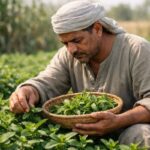
Marjoram FOB Cairo prices remain in a tight and overall stable range, with a slight firming bias in late April in EUR terms, supported by a softer Egyptian pound and steady export demand. No acute weather or crop stress is visible, keeping fundamentals balanced and preventing any sharp price breakout.
Egyptian dried marjoram continues to trade in a very narrow band, reflecting balanced local supply and predictable export programs. The recent modest appreciation in euro-equivalent prices is driven more by FX movements than by any structural shift in physical availability. Weather in Cairo and main producing areas is seasonally warm and dry, supporting drying conditions without signaling heat stress or yield loss. In this context, buyers see little urgency to front‑load purchases, while Egyptian exporters maintain offer discipline ahead of the main summer demand window.
Exclusive Offers on CMBroker

Marjoram dried
Whole
99,9%
FOB 1.77 €/kg
(from EG)
📈 Prices & FX Impact
FOB Cairo prices for conventional dried whole marjoram (Egypt origin) are broadly flat over the past month in local terms, fluctuating only marginally around their recent range. With the euro trading near EGP 61.6 per EUR on 24–25 April 2026, euro-denominated export prices edge slightly higher compared to earlier in the month, mainly on the back of currency weakness rather than changes in farm-gate or processing costs.
Importers paying in EUR therefore see a small uptick in their landed herb cost, while Egyptian sellers have an incentive to keep USD/EGP or EGP list prices stable to stay competitive. Compared with the average EUR/EGP level seen in February and March, today’s weaker pound improves margins for local processors and may cap any aggressive downward price negotiations from international buyers.
🌍 Supply & Demand Drivers
Egypt remains a key global supplier of dried herbs, including marjoram, with established export channels into Europe and the Middle East. Recent documentation from multilateral institutions highlights ongoing efforts to modernize post-harvest handling and quality management in Egypt’s herb value chains, which supports consistent exportable supply rather than short-term volume disruptions.
On the demand side, no fresh trade disruptions or sanitary alerts have emerged over the last few days that would affect marjoram flows. European and regional buyers are largely executing routine call-offs under existing contracts, while spot demand remains moderate but steady. Broader input-cost pressures (fertiliser, energy) continue to be a background risk for Egyptian agriculture, but there is no immediate sign that they are triggering a sharp reduction in marjoram planted area or harvested volumes for the 2026 season.
🌦 Weather & Crop Conditions
The Egyptian Meteorological Authority forecasts a slight rise in temperatures across the country, with Cairo around 30°C and generally dry conditions. This pattern is broadly favorable for herb drying and field operations, with no indication of excessive heat, frost, or heavy rain that could damage marjoram stands or delay post-harvest handling in the short term.
Given the absence of extreme events, the short-term production and quality outlook for Egyptian marjoram remains stable. Any weather-related price risk over the coming weeks would likely come from prolonged above‑normal heat or localized dust storms, but such developments are not flagged in the current 3‑day outlook.
📊 Fundamentals & Cost Environment
The macro backdrop in Egypt is characterized by a weak and volatile currency, as highlighted by recent analyses of EGP performance against major currencies. This environment tends to favor export-oriented value chains like herbs and spices, as foreign-currency revenues improve local returns and help offset elevated domestic costs (labor, energy, financing).
At the same time, tighter domestic financial conditions and higher input prices globally, especially for fertilisers, keep farmers cautious in expanding acreage aggressively. For marjoram, this translates into a fundamentally balanced market: sufficient supply for existing demand, but limited surplus to fuel a sustained price decline in hard currency terms.
📆 Trading Outlook & 3‑Day Price Indication
- For importers: Use the current calm market and FX-driven price firmness to secure near‑term coverage, but avoid over‑buying; price risk is skewed only mildly to the upside in EUR terms.
- For Egyptian exporters: Maintain offer discipline in EUR, leveraging the weaker EGP to protect margins while remaining competitive versus other herb origins.
- For traders: Focus on currency developments and any shifts in European summer demand as the primary short‑term catalysts rather than physical supply shocks.
| Market | Product | Term | Short‑Term (3‑day) Price Bias in EUR |
|---|---|---|---|
| Cairo (EG), FOB | Dried marjoram, whole, conventional | Spot / nearby shipment | Stable to slightly firmer (FX‑driven, narrow range) |