
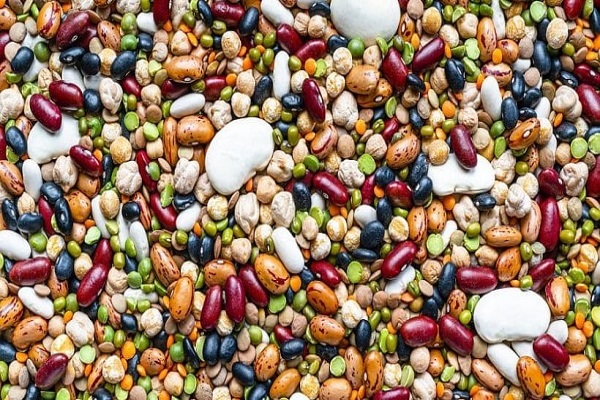
The Chinese beans market is currently characterized by a rare combination of adequate supply, modest post-holiday demand, and underlying cost support for staple varieties such as black beans and specialty grades. Despite the seasonal lull following the holidays, inventories across trade and processing sectors remain ample. This is ensuring that most market activities are focused on gradual inventory digestion rather than fresh procurement surges. Notably, even as farmers hold back on bringing new stocks to market, input cost pressures continue to provide a solid floor for bean prices. On the demand side, downstream activity is underwhelming, with buyers in consuming regions only selectively replenishing stocks as needed, keeping trade volumes muted overall. Exports remain directed mainly toward Southeast Asian markets but offer little impetus for price movement. Reflecting market consensus from recent surveys, a dominant 95% of participants anticipate stable prices in the near term, with only a handful bracing for a marginal downturn. In sum, the market finds itself at equilibrium, supported by balanced supply and cost, but without new demand growth to break the current price range.
Exclusive Offers on CMBroker

Mung beans
organic
99.5%
FOB 1.57 €/kg
(from CN)

Mung beans
3.8 mm up
99.5%
FOB 1.48 €/kg
(from CN)

Kidney beans
small, black, organic
99.5%
FOB 1.11 €/kg
(from CN)
📈 Prices
| Product | Origin | Type | Location | Price (EUR/t, FOB) | Prev. Price (EUR/t) | Weekly Change | Sentiment |
|---|---|---|---|---|---|---|---|
| Mung beans | CN | organic, 99.5% | Beijing | 1.58 | 1.60 | -0.02 | Stable/Soft |
| Mung beans | CN | 3.8 mm up | Beijing | 1.49 | 1.49 | 0.00 | Stable |
| Kidney beans | CN | small, black, organic | Beijing | 1.13 | 1.13 | 0.00 | Stable |
🌍 Supply & Demand
- Supply: Main bean-producing areas in China maintain sufficient stocks. Most traders and processing plants are still working through existing inventory, and after the holiday, farmer deliveries remain subdued.
- Costs: The cost of raw beans (“毛粮成本”) remains firm and underpins current price levels, discouraging further price declines.
- Demand: Downstream demand for black beans is low post-holiday. Traders in key consumer markets are content to use up inventory and buy only as needed, resulting in light trading volumes.
- Export: Export flows are mainly directed at Southeast Asia but are not significant enough to influence the market direction.
📊 Fundamentals
- Market Sentiment: Post-survey findings indicate 95% of participants expect bean prices to remain steady, while 5% see a slight downturn ahead.
- Trade Dynamics: Both trading firms and processors are maintaining a cautious stance, acquiring limited volumes. With grassroots supply still constrained, the market outlook is primarily stable.
☁️ Weather Outlook
- China Major Bean Regions: No significant weather disruptions reported. Normal weather is expected to continue, offering neutral impacts on crop development and yields.
- External Weather Risks: Abroad, Brazil and Southeast Asia have normal climatological outlooks, with no extreme events affecting export demand.
🌎 Global Production & Stocks
- China: Supplies remain sufficient, with restrained farmer selling. No major drawdown in stocks foreseen in the short term.
- Brazil/UK/Other Origins: Prices for kidney beans from Brazil (EUR 1.41–1.36/t FOB Brasília) and the UK (EUR 1.34/t FOB London) mirror China’s largely stable trend, reinforcing a global tone of balance.
📆 Trading Outlook & Recommendations
- Raw material costs should keep domestic price floors firm in China.
- Limited fresh buying means trade activity will likely stay subdued in the coming week.
- Watch for any change in farmer selling volumes post-holiday – a pickup could pressure prices modestly.
- Export demand is unlikely to become a decisive bullish factor for now.
- Traders and processors should maintain cautious procurement; buyers can expect steady to slightly softer prices but avoid aggressive stockpiling unless inventory policy requires.
📅 3-Day Regional Price Forecast
| Region | Product | Current (EUR/t) | Forecast Range (EUR/t) | Direction |
|---|---|---|---|---|
| China (Beijing) | Kidney beans (black) | 1.07 | 1.06 – 1.08 | Stable/Soft |
| China (Beijing) | Mung beans | 1.49–1.58 | 1.48 – 1.59 | Stable |
| Brazil (Brasília) | Kidney beans (dark red) | 1.41 | 1.40 – 1.42 | Stable |