
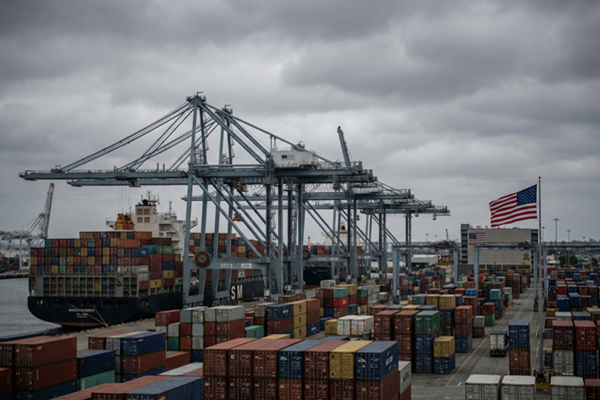
🔵 Executive Summary
The United States is preparing to raise import duties for selected trading partners to 15% or higher, according to U.S. Trade Representative Jamieson Greer.
While a 10% baseline tariff currently applies, the administration plans to escalate duties for certain countries as part of a broader strategy to reinforce trade enforcement and strengthen economic leverage.
New investigations under Section 301 and related trade authorities are expected in the coming weeks.
📜 Policy Framework
Current Situation
-
10% baseline tariff already in effect.
-
Targeted countries to face 15% or higher rates.
-
Adjustments aligned with prior trade enforcement actions.
Next Steps
The Office of the U.S. Trade Representative (USTR) will:
-
Publish notices in the Federal Register.
-
Open public comment periods.
-
Conduct hearings.
-
Evaluate evidence before final tariff determinations.
This procedural pathway mirrors prior Section 301 actions.
🔍 Focus Areas of Investigation
The administration signaled scrutiny of:
-
Forced labor concerns in supply chains
-
Industrial overcapacity distorting global markets
-
Sector-specific imbalances (e.g., fisheries, manufacturing)
Indonesia was cited as one example of a country potentially subject to review, particularly in relation to industrial capacity practices.
🌍 Strategic Intent
According to USTR statements, the objective is to:
-
Maintain continuity in trade enforcement
-
Strengthen negotiating leverage
-
Address structural trade imbalances
-
Align tariff policy with existing executive trade actions
The move reinforces the administration’s broader trade recalibration strategy.
📊 Market Implications
Immediate Impact
-
Increased policy uncertainty for exporters to the U.S.
-
Potential cost escalation in affected sectors
-
Import pricing recalculations for U.S. buyers
Sector Sensitivity
Industries most exposed could include:
-
Fisheries
-
Manufacturing
-
Industrial inputs
-
Selected agricultural products
The final impact will depend on country-specific targeting and product-level tariff classification.
🧭 CMB Market Interpretation
The proposed escalation from 10% to 15% (or higher) represents:
-
A shift from universal baseline measures to more selective enforcement.
-
Renewed use of Section 301 as a strategic trade tool.
-
Heightened geopolitical signaling ahead of further negotiations.
Short-Term Risk:
Elevated trade volatility and contract renegotiation pressure.
Medium-Term Risk:
Potential supply chain reconfiguration depending on country exposure.
Strategic Risk:
Moderate to High for countries already under review for structural trade practices.
📌 Key Questions Ahead
-
Which countries will be formally designated?
-
Will duties exceed 15% in high-priority sectors?
-
Could countermeasures emerge from affected partners?
-
How will agricultural exports be treated under new investigations?
🏁 Conclusion
The U.S. is preparing to move beyond the 10% tariff baseline, signaling targeted increases to 15% or higher for selected trading partners.
With formal investigations pending, the coming weeks will determine:
-
Scope of affected countries
-
Sector-level targeting
-
Duration and escalation path
Trade policy uncertainty remains elevated as enforcement actions expand.
Related posts:
 72.5% of Guatemalan Exports to US Remain Tariff-Free After Supreme Court Ruling
 US–Indonesia Trade Deal Opens Tariff-Free Channel for Corn, Sorghum and Ethanol
 Produce Industry Grapples with Uncertainty After US Supreme Court Tariff Ruling
 South African Agriculture Sees Relief in Possible 15% U.S. Tariff Adjustment
 Tariff Turmoil in Washington: Supreme Court Ruling, New 15% Duties and the Congressional Crossroads
 US Court Ruling Weakens Tariff Leverage on China Ahead of Leaders’ Talks
 🇪🇺🇺🇸 EU Pauses Vote on U.S. Tariff Deal Amid Legal Chaos in Washington
 India’s Spice Exporters Convene in Kochi Amid Tariff Volatility and Stricter Residue Norms