
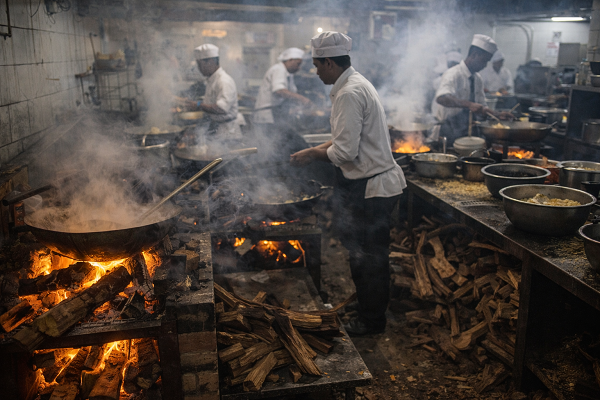


India’s ongoing LPG supply disruption has severely impacted the hospitality sector, with around 40% of restaurants in Kerala reportedly shutting down as businesses struggle to secure commercial LPG cylinders.
The shortage is linked to the West Asia conflict, which has disrupted fuel imports routed through the Strait of Hormuz, a critical shipping route for energy supplies to India.
Industry representatives warn that the crisis is affecting restaurants, caterers, hostels, canteens and even crematoriums across several states.
Restaurants Unable to Secure LPG
Restaurant owners in Kerala say many establishments have been forced to close temporarily as they are unable to switch to alternative cooking fuels.
The LPG shortage has created operational challenges for food businesses that rely heavily on commercial gas cylinders for daily cooking.
In some cities, restaurants have resorted to using firewood and other traditional fuels to continue serving customers.
Government Boosts Domestic Production
To manage the supply disruption, the government has increased domestic LPG production.
Officials said India has redirected C3–C4 hydrocarbon streams to boost LPG output by more than 25%, helping offset part of the supply shortage.
At the same time, the government has begun diversifying LPG imports, sourcing supplies from countries such as:
-
United States
-
Norway
-
Canada
-
Algeria
-
Russia
These measures are aimed at stabilising fuel availability as the conflict in West Asia continues to disrupt traditional supply routes.
Alternative Fuels Being Used
Over the past month, many businesses have started using alternative fuels to conserve LPG for priority sectors.
Hotels, small restaurants and street food vendors have increasingly turned to:
-
Coal
-
Kerosene
-
Biomass pellets
-
Refuse-derived fuel (RDF) pellets
Corporate cafeterias and institutional kitchens are also experimenting with induction cooking systems, boilers and biofuels to maintain operations.
Priority Supply for Essential Services
The government has prioritised LPG distribution to critical sectors such as:
-
Hospitals
-
Educational institutions
-
Key commercial consumers
Restaurants and other food establishments will receive about 20% of their average monthly LPG allocation as part of emergency supply measures.
State governments have also been directed to monitor LPG distribution to prevent hoarding and black-market activities.
Businesses and Workers Under Pressure
The LPG shortage is already affecting business operations and employment across several sectors.
Corporate catering firms have reduced menu options and shifted to simpler dishes that require less cooking gas.
Some companies, including HCLTech, have advised employees to work from home temporarily due to disruptions in cafeteria services.
Meanwhile, gig workers, small vendors and street food operators are facing financial strain as the fuel shortage disrupts daily operations.
Industry experts warn that the crisis could continue to impact restaurants, hospitality services and small businesses if LPG supplies are not restored soon.
Related posts:
 LPG Cylinder Shortage Hits Mumbai Bakeries, Bread Supply at Risk
 German Fruit Trade Body Sees No Fresh Produce Shortage Despite Iran Conflict
 Energy Shock Threatens Europe’s Retail Sector as Oil Prices Surge After Iran War
 South Korea’s Soybean Imports Decline as Government Promotes Domestic Production
 India Orders Refiners to Prioritise Propane and Butane for LPG Production Amid Hormuz Disruption
 India Turns to US LPG as Strait of Hormuz Blockade Disrupts Middle East Supplies
 MSC Halts Gulf Deliveries, Diverts Cargo to Safe Ports Amid Middle East Conflict
 Panama Halts U.S. Onion Imports After Tariff Quota Filled; 11 Containers Redirected