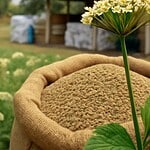


Rosemary is transitioning from a traditional culinary and medicinal herb into a strategic, high‑value ingredient for the global natural beauty and wellness industry. At the center of this shift are brands like Blend It Raw, which has partnered with small farmers in the Yamunotri district of upper Uttarakhand to create a vertically integrated, traceable rosemary supply tailored specifically for premium self‑care products. This farm‑to‑beauty model prioritizes unrefined, pesticide‑free raw material, direct farmer relationships, and zero‑waste, ethically sourced packaging, positioning rosemary not only as an herb but as a story‑driven, sustainable ingredient platform. In a market where consumers increasingly scrutinize origin, processing methods, and social impact, such direct sourcing creates a differentiated, premium niche within the broader rosemary value chain.
This development is occurring against a backdrop of steadily growing global demand for organic herbs and rosemary derivatives in aromatherapy, DIY beauty, scalp and hair health formulations, and clean‑label cosmetics. Mediterranean suppliers still dominate volumes in dried herb and essential oil, but India’s share is expanding, driven by Ayurveda‑linked hair oil and skincare applications and by export opportunities in dried organic rosemary. Recent price indications for organic dried rosemary FOB New Delhi show a relatively stable but slightly softening market in early 2026, suggesting that buyers remain price‑sensitive even as they reward traceability and sustainability premiums. Meanwhile, weather volatility in the Himalayan source region underscores both the agronomic risk and the branding power of mountain‑grown botanicals. For traders and manufacturers, the Blend It Raw initiative is a signal that the next phase of growth in the rosemary market will not only be about volume and price, but about verifiable origin, ethical narratives, and tight integration between farming communities and global beauty brands.


📈 Prices & Market Snapshot
Latest price developments (converted to EUR)
The most recent structured offer data for organic dried rosemary from India (FOB New Delhi) shows a mildly declining trend in early 2026, consistent with a market that is fundamentally supported but experiencing some short‑term easing.
| Date (2026) | Product | Origin | Location / Terms | Closing Price (EUR/kg) | Weekly Change (EUR/kg) | Weekly Change (%) | Market Sentiment |
|---|---|---|---|---|---|---|---|
| March 7 | Rosemary dried, organic | India (IN) | New Delhi, FOB | 3.23 | -0.02 | -0.6% | Slightly bearish / consolidating |
| February 21 | Rosemary dried, organic | India (IN) | New Delhi, FOB | 3.25 | -0.05 | -1.5% | Softening |
| February 14 | Rosemary dried, organic | India (IN) | New Delhi, FOB | 3.30 | 0.00 | 0.0% | Stable |
Note: All prices are shown directly in EUR as per the provided data. The sequence from mid‑February to early March 2026 indicates a gentle correction from 3.30 EUR/kg to 3.23 EUR/kg for organic dried rosemary FOB New Delhi, which is modest in magnitude but relevant for short‑term procurement timing.
🌍 Supply & Demand – From Himalayan Farms to Global Beauty Shelves
Farm-to-beauty supply: the Blend It Raw model
- Direct sourcing in Yamunotri, upper Uttarakhand: Blend It Raw sources, harvests, and produces its rosemary range directly with small farmers in the Yamunotri district, ensuring end‑to‑end traceability and purity in the supply chain. This is a high‑altitude Himalayan environment, which supports a strong natural and ethical positioning for the brand.
- Unrefined, pesticide‑free inputs: The collaboration focuses on delivering unrefined, pesticide‑free rosemary, aligning precisely with the growing global preference for minimally processed and chemical‑free ingredients in skincare and haircare.
- Women‑led cultivation: Shade‑dried rosemary leaves are grown by women farmers near Yamunotri, adding a gender‑empowerment dimension to the supply story and enhancing the appeal for impact‑oriented brands and consumers.
- Fair pricing & rural livelihoods: The initiative is explicitly designed so that farmers receive fair prices and additional income opportunities, supporting rural livelihoods while adhering to sustainable agricultural practices in a fragile mountain ecosystem.
Product range and downstream demand channels
The Blend It Raw rosemary line illustrates how a single botanical can be extended through multiple value‑added formats that tap into different demand segments within the natural self‑care market:
- Rosemary Leaves: Shade‑dried, used in DIY scalp health and hair growth routines. Demand is driven by consumers who prefer to formulate at home or add whole‑plant components to oils, masks, and rinses.
- Rosemary Essential Oil: Steam‑distilled, used for strengthening hair and improving scalp health, and in aromatherapy. This links the Yamunotri supply into the broader, fast‑growing rosemary essential oil market for wellness, diffusers, and massage blends.
- Rosemary Hair Oil: An infused oil where rosemary leaves are macerated for over four weeks and combined with essential oil. This directly targets the large and expanding category of anti‑hair‑fall and scalp‑care oils in India and internationally.
- Rosemary Hydrosol: A steam‑distilled botanical mist used on both scalp and skin, positioned as soothing and growth‑supportive. Hydrosols cater to consumers seeking gentler, water‑based formulations without high essential oil concentration.
Collectively, these formats show how rosemary can move up the value chain from bulk dried herb into specialized wellness segments with higher margins and stronger brand differentiation, especially when underpinned by a compelling origin story.
Global context: organic rosemary and beauty demand
- Industry research on the organic spices and herbs market points to rosemary as a high‑value segment within organic botanicals, with rising demand driven by anti‑hair‑fall oils, herbal cosmetics, and gourmet food uses. One recent cross‑sector estimate values the organic rosemary segment at around a mid‑single‑digit million‑euro equivalent, with steady growth in both food and cosmetic applications.
- Spain, Morocco, Tunisia, and other Mediterranean suppliers remain the backbone of global rosemary and rosemary oil exports, but India’s share is expanding, supported by domestic Ayurvedic formulations and a growing role in dried organic herb exports.
- In cosmetics and personal care, rosemary extract and oil are increasingly incorporated for claimed benefits related to collagen support, antioxidative protection, and scalp health, which reinforces demand for sustainably sourced, high‑quality material.
📊 Fundamentals – Structure of Supply, Stocks & Market Drivers
Global production landscape (qualitative overview)
While detailed tonnage data for 2026 is still emerging, the structural pattern of the global rosemary market remains clear:
- Essential oil supply: Mediterranean countries – primarily Spain, Morocco, Tunisia, Turkey, and Egypt – account for well over two‑thirds of global rosemary essential oil output, leveraging dryland cultivation and, in some regions, wild harvesting.
- Dried herb & organic segment: Spain and Tunisia have strong positions in dried herb exports to Europe, while Morocco plays a key role in wild‑harvested raw material. India is emerging as a notable producer and exporter in the organic dried rosemary category, backed by robust domestic consumption in hair oils and herbal cosmetics.
- Stock levels: No acute shortage is currently signaled in the dried organic segment, but localized weather and regulatory issues (e.g., solvent extraction bans, water‑use restrictions) have periodically tightened rosemary oil availability and raised prices in recent years, especially in drought‑affected Mediterranean regions.
USDA-style and policy drivers (inferred for rosemary)
Unlike major row crops, rosemary is not systematically covered by USDA WASDE‑type reports. However, several fundamental drivers play a similar role in shaping medium‑term balance sheets:
- Regulatory environment: India’s past restrictions on solvent‑extracted essential oils pushed the market further toward steam‑distilled products and reinforced the premium on clean extraction methods – a trend directly aligned with Blend It Raw’s steam‑distilled rosemary oil and hydrosol.
- Water and climate constraints: Water‑use regulation and recurring droughts in key Mediterranean rosemary regions have already led to measurable yield reductions and price spikes in essential oil. This supports diversified sourcing from regions like India but also highlights climate risk for high‑altitude Himalayan cultivation.
- Speculative and industrial positioning: Industrial buyers in cosmetics and flavorings increasingly hedge supply risk by contracting directly with grower groups and origin brands, mirroring Blend It Raw’s direct farmer partnerships. This can reduce spot market liquidity in premium grades and encourage long‑term offtake agreements.
Role of Blend It Raw in the fundamentals
Within the global context, the Blend It Raw initiative is small in volume but strategically important:
- It channels a clearly defined micro‑region (Yamunotri in upper Uttarakhand) into global beauty and wellness pipelines, creating a de facto micro‑origin category for rosemary in natural self‑care.
- It locks in farmer supply through fair‑price agreements and shared sustainability objectives, which can smooth local income volatility and stabilize input availability for the brand.
- It aligns with the broader trend of consumers demanding transparency and story‑rich ingredients – which can justify a consistent premium over anonymous bulk rosemary, whether dried or distilled.
🌦️ Weather & Agronomic Outlook – Yamunotri and Competing Regions
Yamunotri / upper Uttarakhand conditions (near-term)
- Recent winter and early spring: Uttarakhand experienced its first significant snowfall of 2026 in late January, with heavy snow reported across multiple high‑altitude areas including Yamunotri, followed by cold and disrupted transport in some corridors.
- March 2026 outlook for Yamunotri: Forecasts for mid‑ to late‑March suggest temperatures in the Yamunotri region ranging broadly from around -6°C at night to highs near 9°C during the day, with partly cloudy conditions and intermittent showers.
Implications for rosemary cultivation:
- Cold but gradually moderating temperatures in March support the overwintering of hardy perennials like rosemary but can delay early growth and field work if snowfall and road access constraints persist.
- Moisture from late winter snow and early spring showers can recharge soil profiles, beneficial for the upcoming growing cycle, but excess moisture combined with low temperatures may temporarily hinder harvesting or drying operations for any existing stands.
- For Blend It Raw’s women farmers, logistics (road access for inputs and outputs) may be the main near‑term bottleneck rather than agronomic stress on the crop itself.
Competing origins – Mediterranean climate risks
- In Morocco and parts of Spain, recurrent drought in recent seasons has constrained aromatic plant yields, including rosemary, and prompted warnings to European buyers about possible quality and availability issues in wild‑harvested material.
- Water‑use regulations in drought‑prone Mediterranean regions have also tightened, which could limit the expansion of irrigated rosemary plantations and keep medium‑term supply growth modest relative to demand, especially for organic and certified sustainable categories.
🌍 Global Production & Trade Balance (Qualitative)
| Region / Country | Role in Rosemary Chain | Key End Uses | Current Structural Position (2025–2026) |
|---|---|---|---|
| Spain | Major producer of dried herb & essential oil | Food seasonings, extracts, cosmetics | Largest or one of the largest exporters; subject to water constraints but stable industrial base. |
| Morocco | Key exporter, strong in wild‑harvested rosemary | Essential oil, dried herb | Drought‑affected; yields and wild stands under pressure, supporting prices. |
| Tunisia | Producer of quality rosemary and oils | Essential oil, exports to Europe | Important regional competitor to Morocco in essential oils. |
| India | Growing producer of dried organic rosemary and oils | Ayurvedic hair oils, herbal cosmetics, exports | Smaller than Mediterranean leaders but fast‑growing; initiatives like Blend It Raw raise the profile of Indian origin in natural beauty segments. |
In this global landscape, the Blend It Raw – Yamunotri model is best understood as a specialized, story‑rich origin that competes less on bulk price and more on provenance, sustainability, and alignment with clean beauty narratives.
📌 Strategic Implications of the Blend It Raw Initiative
For farmers in Yamunotri
- Stable offtake via a branded partner improves income visibility and justifies investment in better cultivation and post‑harvest practices.
- Women farmers gain direct market access beyond local traders, enhancing bargaining power and resilience.
- Commitment to pesticide‑free and sustainable practices positions the region as a premium origin in global botanical value chains.
For Blend It Raw and similar brands
- Control over sourcing and processing enhances quality assurance and claims such as “unrefined,” “pesticide‑free,” and “traceable to small Himalayan farms.”
- The diversified rosemary product range (leaves, essential oil, hair oil, hydrosol) spreads risk across multiple consumer segments and price points.
- Zero‑waste packaging and ethical sourcing reinforce brand equity in an increasingly crowded natural skincare and DIY beauty space.
For traders and industrial buyers
- Growth of farm‑to‑beauty channels may reduce availability of highest‑quality lots on the open market, as more volume is locked into brand‑specific supply chains.
- Premiums for origin‑verified and ethically sourced rosemary are likely to persist, even if bulk market prices remain relatively stable or slightly soft.
- Partnership models with farmer groups in regions like Uttarakhand can serve as a hedge against Mediterranean climate risk, though they introduce new logistical and high‑altitude weather risks.
📈 Trading Outlook & Recommendations
Short- to medium-term price outlook (dried organic rosemary, India)
- The recent easing from 3.30 to 3.23 EUR/kg (FOB New Delhi) suggests a consolidating market rather than a structural downturn.
- Weather patterns in Uttarakhand appear manageable for now, but logistical disruptions from snow and road conditions may intermittently affect flows from high‑altitude areas like Yamunotri.
- Continued growth in natural self‑care and aromatherapy demand points to steady underlying support for prices, especially in certified organic and traceable supply streams.
Actionable guidance
- Manufacturers / Brand owners:
- Secure medium‑term contracts (6–12 months) for organic rosemary inputs at current levels, especially for high‑margin beauty and wellness lines.
- Where possible, integrate storytelling about origin and farmer partnerships (as Blend It Raw does) to capture additional consumer value without relying solely on volume growth.
- Traders / Importers (EU, UK, North America):
- Diversify origin mix – maintain Mediterranean suppliers for volume but explore Indian organic rosemary, particularly from structured projects, as a complementary source.
- Use current mild price softness to build strategic stocks of premium organic grades, while avoiding over‑stocking lower‑grade material that may face more competition.
- Farmers and cooperatives in Uttarakhand:
- Leverage current partnerships to access training in post‑harvest handling and quality standards required by international cosmetic and aromatherapy buyers.
- Consider gradual expansion of planted area where agro‑climatic conditions are suitable, but remain cautious about slope stability, water availability, and biodiversity impacts.
📆 3‑Day Regional Price Forecast (EUR, Indicative)
Given the relatively illiquid and niche nature of the rosemary market compared with major commodities, the following 3‑day outlook is an indicative, qualitative forecast for organic dried rosemary FOB India, expressed in EUR/kg:
| Date | Market / Location | Expected Range (EUR/kg) | Bias | Comment |
|---|---|---|---|---|
| 2026‑03‑17 | FOB New Delhi (organic dried rosemary) | 3.20 – 3.25 | Neutral to slightly soft | Continuation of early‑March consolidation; no major new fundamental shocks anticipated. |
| 2026‑03‑18 | FOB New Delhi (organic dried rosemary) | 3.20 – 3.26 | Neutral | Stable export demand and limited short‑term weather impact on available stocks. |
| 2026‑03‑19 | FOB New Delhi (organic dried rosemary) | 3.21 – 3.27 | Slightly firmer | Potential minor firming if inquiries from natural beauty brands increase ahead of new product launches. |
For premium, branded farm‑to‑beauty supply chains like Blend It Raw’s Yamunotri project, actual realized prices are likely to remain above bulk FOB benchmarks, reflecting the added value of traceability, pesticide‑free cultivation, women‑led farming, and zero‑waste packaging.