
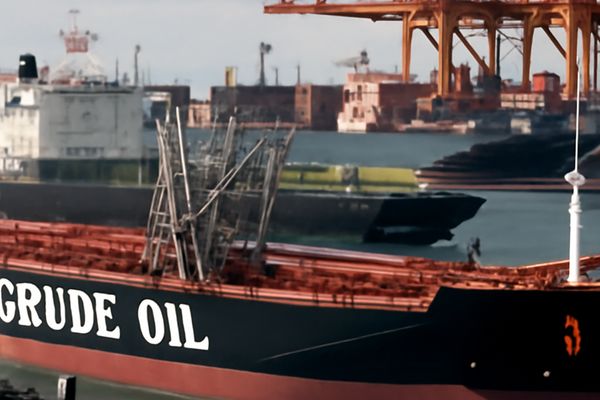
Oil and gas prices have jumped sharply after Iranian missile strikes severely damaged Qatar’s Ras Laffan LNG complex and as tanker traffic through the Strait of Hormuz has plunged, raising the cost base for fuel-intensive agricultural supply chains. For Iran (IR) and Qatar (QA), both producers and key Gulf transit states, the escalation tightens energy availability, inflates logistics costs, and heightens risk premia across regional food and feed markets.
The conflict-driven squeeze on crude, LNG and refined products is translating into higher bunker, transport and processing costs that will filter into grain, oilseed, sugar and refrigerated food trade flows into and out of the Gulf.
Introduction
In mid-March 2026, Israel struck Iran’s South Pars gas field and associated infrastructure, triggering retaliatory Iranian missile attacks on energy assets across the Gulf, including extensive damage at Qatar’s Ras Laffan Industrial City, the world’s largest LNG export hub. These attacks coincided with Iran’s effective closure of the Strait of Hormuz to most tanker traffic, a corridor normally handling around 20% of global seaborne oil and significant LNG volumes.
Ras Laffan concentrates most of Qatar’s liquefaction and export capacity and accounts for roughly a fifth to a quarter of global LNG trade. The facility had already faced outages after earlier drone strikes, and ship-tracking data indicate an extended halt in loaded LNG departures. As missile and drone activity spreads to refineries and shipping near the UAE and Kuwait, traders are reassessing fuel supply security and pricing across the Middle East, directly affecting agricultural logistics and processing margins in IR and QA.
🌍 Immediate Market Impact
Benchmark Brent crude futures have surged into the $110–115 per barrel range, with refined product and natural gas benchmarks also spiking as markets price in sustained supply and transit risk around Hormuz and the Gulf energy corridor. LNG prices at European and Asian hubs have moved sharply higher on expectations of prolonged Qatari export disruption, despite Ras Laffan’s traditional focus on long-term contracts to Asia.
For IR and QA, higher fuel and gas input costs immediately raise inland freight, cold-chain, desalination and fertilizer production costs. Shipping companies are already pricing in war-risk premiums, rerouting vessels away from Hormuz where possible and tightening available tonnage, which increases freight rates for grains, oilseeds and containerized food products serving Gulf markets.
📦 Supply Chain Disruptions
The effective shutdown or severe curtailment of transit through the Strait of Hormuz is generating delays and uncertainty for cargoes headed to Iranian and Qatari ports as well as transshipments onward to the wider region. While some Gulf ports technically remain operational, many shipowners and insurers are restricting calls, leading to schedule gaps and bunching of arrivals once security conditions allow passage.
Qatar’s LNG export halt removes a major supplier of fuel for power generation, desalination and industrial use, including nitrogen fertilizer production, which is heavily gas-intensive. For Iran, refinery and gas field damage plus constrained exports will limit foreign-exchange earnings and may reduce availability of subsidized fuels used in agricultural production and transport, including diesel for trucking and electricity for cold storage.
Port congestion risk is rising at alternative load and discharge ports around the Arabian Sea and Red Sea as vessels seek to bypass Hormuz, potentially extending transit times for food imports into IR and QA and complicating just-in-time supply models for perishable cargoes.
📊 Commodities Potentially Affected
- Grains (wheat, corn, barley) – Higher bunker and insurance costs for Black Sea, European and Australian origins into IR and QA, with potential port delays and freight surcharges on bulk cargoes.
- Oilseeds and vegetable oils – Similar freight-driven cost pressure on soybeans, soybean meal, sunflower oil and palm oil headed to Gulf crushers and food manufacturers, raising feed and edible oil prices.
- Sugar – Raw and refined sugar flows into the Gulf may face higher freight and refining costs, with energy-intensive refining margins squeezed in the region.
- Rice and specialty grains – Containerized and breakbulk shipments from Asia could see schedule disruptions and higher war-risk premiums for Gulf calls.
- Meat and dairy – Chilled and frozen protein imports into QA in particular are vulnerable to higher reefer freight rates, routing constraints and any power disruptions tied to gas shortages.
- Fertilizers (urea, ammonia, NPK) – Gas-linked fertilizer production in Iran and Qatar may be curtailed or repriced, tightening supply and lifting regional and some global nitrogen benchmarks.
🌎 Regional Trade Implications
In the near term, importers serving Iran and Qatar are likely to diversify routes, favoring load ports that can reach the Gulf via the Red Sea and Suez or alternative discharge ports in the eastern Mediterranean and Oman, then using regional coastal shipping or overland trucking where security allows. This may benefit non-Hormuz-exposed exporters in regions such as the Black Sea, East Africa and the western Indian Ocean for certain staples.
Qatar’s reduced LNG exports could redirect some alternative gas and fuel oil cargoes toward Gulf power and desalination demand, limiting availability for other emerging markets and raising global competition for flexible cargoes. For Iran, constrained energy exports and sanctions-related challenges are likely to increase reliance on regional partners for essential food and inputs, possibly boosting overland grain and food flows from neighbors while seaborne trade remains disrupted.
🧭 Market Outlook
In the short term, energy-led cost inflation and logistics risk premia are set to keep CIF prices for agricultural commodities into IR and QA elevated and volatile. Traders are watching closely for any partial reopening of Hormuz transit lanes, visible restoration of Ras Laffan operations, and de-escalation signals that could ease freight and bunker markets.
If damage at key LNG and refinery sites proves prolonged, structurally higher regional fuel and gas prices would erode processing margins, especially for energy-intensive milling, crushing and cold-chain operations. Fertilizer markets could tighten further, with potential downstream impacts on planting decisions and yields in Iran and neighboring producers that rely on Gulf-sourced nitrogen products.
CMB Market Insight
The combination of direct attacks on core Gulf energy infrastructure and a de facto choke on Hormuz shipping represents a step change in geopolitical risk for commodity markets, with IR and QA positioned at the center of both production and transit stress. For agricultural supply chains, the primary transmission channels are higher and more volatile fuel and gas prices, constrained fertilizer availability, and elevated freight and insurance costs.
Market participants supplying or sourcing from Iran and Qatar should prioritize contractual flexibility on freight and laycans, diversify origins and routes where possible, and reassess hedging strategies to account for extended energy-driven volatility. Until clear evidence emerges of sustained de-escalation and restored shipping flows, agricultural commodity flows into and through the Gulf will remain exposed to headline risk and sudden price repricing.
Related posts:
 Middle East War and Hormuz Blockade Expose Global Potato Chain to Fertilizer and Energy Shock
 Middle East Escalation and Hormuz Closure Tighten Logistics for China’s Pumpkin Seed Exporters
 LPG Shortage Hits Indian Restaurants as Middle East Conflict Disrupts Fuel Supply
 Six Ships Attacked in Gulf and Strait of Hormuz as Middle East War Threatens Global Shipping
 Oman Evacuates Major Oil Export Port as Tanker Attacks Deepen Middle East Energy Crisis
 45,000 Indian Containers Stranded as Middle East Conflict Drives Export Costs Fivefold