

The disruption of Qatar’s liquefied natural gas (LNG) output following Iranian attacks is expected to have significant implications for India’s energy, fertilizer and industrial sectors, as global supply tightens.
Iranian strikes have knocked out 17% of Qatar’s LNG export capacity, with outages expected to last 3–5 years, raising concerns over supply to major importers, including Asia.
Why Qatar matters to India
Qatar is one of India’s largest LNG suppliers, making it critical for:
-
Power generation
-
Fertilizer production
-
City gas distribution
-
Industrial fuel use
Any prolonged disruption could directly impact India’s energy security and input costs.
Gas prices likely to rise
With 12.8 million tonnes per year of LNG capacity offline, global gas markets are expected to tighten.
For India, this could mean:
-
Higher LNG import prices
-
Increased cost of electricity generation
-
Pressure on city gas and CNG prices
India, which relies heavily on imported gas, may face cost inflation across sectors.
Fertilizer sector faces major risk
Natural gas is a key feedstock for nitrogen-based fertilizers such as urea.
Rising gas prices could lead to:
-
Higher fertilizer production costs
-
Increased subsidy burden for the government
-
Possible supply constraints during sowing season
This comes at a sensitive time for Indian agriculture, where fertilizer availability is critical.
LPG and cooking gas impact
The disruption is also expected to reduce LPG output by 13% globally, according to estimates.
For India:
-
LPG imports could become costlier
-
Commercial gas supply may tighten
-
Food processing and hospitality sectors could face pressure
Although domestic supply is prioritized, price volatility cannot be ruled out.
Industrial impact: From chips to chemicals
The fallout extends beyond energy:
-
Helium supply (-14%) → impacts electronics and semiconductor industries
-
Naphtha and sulphur → affects petrochemicals and fertilizers
-
Condensate (-24%) → impacts refining sector
Indian industries dependent on these inputs may see rising costs and supply delays.
Global ripple effect
Qatar may declare force majeure on long-term LNG contracts, affecting supply to countries like:
-
China
-
South Korea
-
Europe
This could intensify competition for available LNG cargoes, pushing prices higher globally.
Market outlook for India
Analysts expect the situation to create multi-layered pressure on the Indian economy:
Key risks:
-
Rising energy import bill
-
Higher inflation (fuel + food)
-
Increased fiscal burden (fertilizer subsidies)
Possible response:
-
Diversifying LNG sourcing (US, Russia)
-
Increasing domestic production
-
Strategic reserves management
Conclusion
The Qatar LNG disruption marks a major escalation in global energy risk, with India among the most exposed economies due to its import dependence.
If the conflict persists, the impact could extend from fuel prices to food inflation, making it a key development to watch.
Related posts:
 LPG Shortage Not a Major Concern for Food Processing Sector Yet: Chirag Paswan
 Govt to Allocate 20% LPG Supply to Commercial Units Amid Ongoing Shortage
 LPG Cylinder Shortage Hits Mumbai Bakeries, Bread Supply at Risk
 LPG Shortage Hits Indian Restaurants as Middle East Conflict Disrupts Fuel Supply
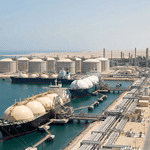 Qatar LNG Export Halt Hits Record as Ras Laffan Plant Stops Shipments for Five Days
 30% Cut in Gas Supply to Fertilizer Plants May Impact Urea Production in India