Iran is considering imposing tolls on ships passing through the Strait of Hormuz, a move that could further disrupt global trade and push up oil and food prices amid the ongoing Middle East conflict.
Iran proposes charging ships for using key oil route
Iranian lawmakers have introduced a proposal to charge vessels for transit through the Strait of Hormuz, one of the world’s most critical shipping routes.
Officials say:
-
Countries must pay for energy and cargo transit
-
Iran will ensure security of navigation for a fee
-
The route will no longer be “free of charge”
Lawmakers added that control over the strait would be enforced “with strength and authority.”
Strait of Hormuz crisis deepens
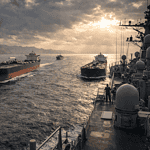
The proposal comes as shipping activity through the strait has nearly halted following escalating tensions between Iran, the US and Israel.
Key developments:
-
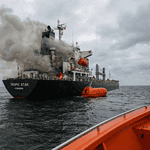
Iranian forces reportedly targeted vessels ignoring warnings
-
Tehran threatened to block ships linked to hostile nations
-
Shipping disruptions have continued for three weeks
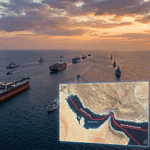
The Strait of Hormuz handles roughly 20% of global oil and gas flows, making it a critical chokepoint for global trade.
Energy markets under pressure
Major oil exporters — including:
-
Saudi Arabia
-
UAE
-
Kuwait
-
Iraq
depend heavily on this route, with limited alternative export options.
As a result:
-
Oil and gas shipments have dropped sharply
-
Global energy prices are rising
-
Market volatility has increased
Food and fertilizer supply chains hit
The disruption is not limited to energy markets.
Experts warn that blocked shipping routes are already affecting:
-
Fertilizer supplies
-
Grain shipments
-
Vegetable oil trade
This has pushed prices to multi-month highs, raising concerns over global food security.
Risk to global agriculture
Higher input costs and supply disruptions could impact crop production worldwide.
Key risks include:
-
Lower fertilizer availability
-
Reduced crop yields (wheat, rice)
-
Rising food inflation
Analysts warn that prolonged disruption could trigger a global food price surge.
Market outlook
If Iran moves forward with transit fees and restrictions:
-
Shipping costs could rise further
-
Energy markets may tighten
-
Global trade flows could shift
The situation remains highly volatile, with geopolitical developments likely to dictate market direction.