
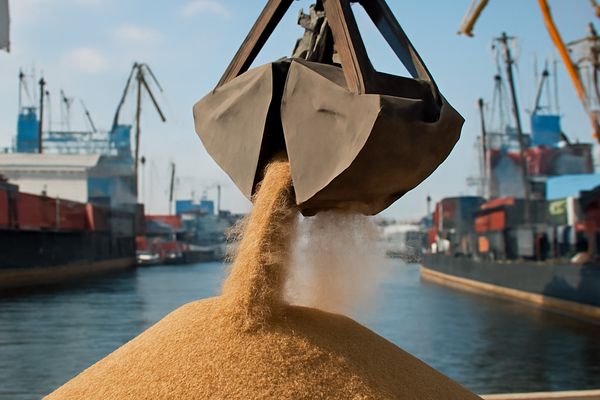
Ukrainian feed oat prices in Odesa are holding steady in euro terms, with recent gains now consolidating as logistics remain workable through Black Sea and overland corridors. The short‑term outlook points to broadly sideways trade, with only modest weather and freight risks on the horizon.
Feed oat values in southern Ukraine are currently stable, reflecting balanced local supply and cautious demand from domestic feed users and nearby export channels. Temperatures in the Odesa region are cool but seasonally normal over the next three days, allowing fieldwork preparations to continue without major disruption. With Ukraine’s broader grain export flows supported by alternative Black Sea and land routes, and no acute oat‑specific shock in global markets, buyers and sellers are likely to trade within a narrow band in the immediate term.
Exclusive Offers on CMBroker

Oat
for feed
98%
FCA 0.24 €/kg
(from UA)
📈 Prices & Spreads
Recent transactions for conventional feed oats (98% purity, FCA Odesa) indicate a flat week‑on‑week pattern in euro terms, after a modest uptick earlier in March. Price dynamics are mainly shaped by local availability and competition from other feed grains, while the broader Ukrainian grain complex continues to adapt to wartime logistics and evolving EU trade measures on cereals and oilseeds. Internationally, oats remain a relatively small market segment, so local fundamentals and freight costs are more important than global benchmarks in setting Odesa values.
| Date | Location / Term | Product | Price (EUR/t) | WoW change (EUR/t) |
|---|---|---|---|---|
| 20 Mar 2026 | Odesa, FCA | Feed oats, 98% | ≈ 220 | 0 |
(Indicative conversion from local currency; all values approximate.)
🌍 Supply, Demand & Logistics
Ukraine’s total grain harvest in 2025 reached around 57–58 million tonnes, confirming that, despite the war, crop production and exports have remained substantial across major cereals. While official data aggregate all grains, this level of output suggests no acute shortage of minor cereals such as oats, especially for feed use. Domestic livestock and poultry sectors continue to depend on a mix of wheat, maize and smaller volumes of oats and other cereals, keeping a steady—though not explosive—demand base.
On the export side, Ukraine is increasingly using its own defended Black Sea coastal corridor and overland routes via EU neighbours to move grains. This diversification has reduced the extreme export bottlenecks seen earlier in the war, keeping inland prices, including for oats around Odesa, more closely aligned with seaborne alternatives. The EU, meanwhile, has implemented and periodically adjusted safeguard measures and caps on specific Ukrainian cereals (including oats) to address farmer concerns about low‑priced imports, but these have so far translated into managed, not blocked, access, limiting downside without providing a strong bullish trigger for Ukrainian oat prices.
☁️ Weather Snapshot: Odesa Region
The short‑term weather outlook for Odesa (21–23 March) is seasonally cool, with cloudy skies and limited precipitation. Daytime highs are forecast around 8–11°C with lows close to 5–6°C, including some drizzle and light rain on Sunday before returning to persistent low cloud cover.
These conditions are generally favourable for field preparation and do not indicate any immediate stress for early oat sowings or soil conditions. There is currently no signal of a sharp frost or excessive rainfall in the coming three days that could materially disrupt logistics or prompt weather‑driven price spikes in the Odesa feed oat market.
📊 Market Drivers to Watch
- Export corridor stability: Ukraine’s maintained Black Sea and overland export pathways are crucial to keeping inland grain prices, including oats, connected to international levels; any escalation in Black Sea security risks could quickly widen local‑to‑export spreads.
- EU safeguard policy: Oats remain among the Ukrainian products for which the EU has introduced import safeguards to protect local farmers from low‑priced inflows. Tighter thresholds could cap upside for export volumes but also support slightly firmer FOB values if access remains selective rather than fully open.
- Feed grain competition: Price relationships between oats, barley and maize in Ukraine and neighbouring EU markets will influence ration choices. With no major weather premium currently priced into maize or barley, oats are likely to trade as a secondary feed option, limiting sharp independent moves.
📆 3‑Day Price & Trading Outlook
With weather neutral, logistics functioning and no fresh policy shock expected in the very short term, Odesa feed oat prices are likely to remain in a tight range over the next three days. Any moves should be driven mainly by individual trader demand or small changes in freight and handling offers rather than fundamental shifts in supply or demand.
- For sellers (farmers, collectors): Current levels appear fair given the risk backdrop; consider incremental sales on strength, while avoiding heavy forward commitments until there is more clarity on spring sowing progress and export corridor stability.
- For local buyers (feed mills, integrators): Near‑term coverage can be built gradually, as there is no strong signal of an imminent rally; use any brief dips from logistics‑driven offers to extend coverage into early Q2.
- For traders/exporters: Focus on margin management between FCA Odesa and delivered EU destinations under the existing safeguard regime, and watch closely for any change in corridor security or EU policy headlines that could quickly alter spreads.
| Region / Market | Product | 3‑day outlook (direction) |
|---|---|---|
| Odesa, FCA | Feed oats, 98% | Sideways to slightly firm (±2 EUR/t) |
Related posts:
 Ukrainian barley holds steady as FOB softens slightly in Odesa
 UA Rye FOB Odesa Flat at Low Levels Amid Quiet Export Interest
 Oats Edge Higher as CBOT Recovers, EU Wheat Loses War Premium
 Oats Lose Altitude: CBOT Futures Ease While Black Sea Cash Firms
 Ukraine Rye Holds Firm as Deficit and Odesa Logistics Keep the Market Tight