The European Union has proposed a “grain deal”-style agreement to keep the Strait of Hormuz open, as rising geopolitical tensions threaten global supplies of energy, food and fertilizers.
EU foreign policy chief Kaja Kallas said diplomatic efforts are underway to prevent disruptions in one of the world’s most critical shipping routes.
EU pushes diplomatic solution to keep Hormuz open
Kallas said the EU is exploring a framework similar to the Black Sea grain deal, which ensured safe passage of Ukrainian exports during the Russia-Ukraine war.
“Nobody is ready to put their people in harm’s way in the Strait of Hormuz. We must find diplomatic solutions to keep it open,” she said.
She warned that prolonged disruption could trigger a global food, fertilizer and energy crisis.
Strait of Hormuz critical for global trade
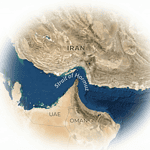
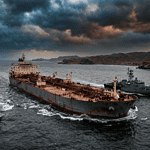
The Strait of Hormuz handles around 20% of global oil and LNG shipments, making it a key artery for global trade.
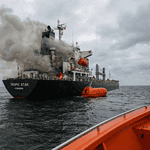
Tensions linked to the Iran conflict have raised concerns over potential blockades and shipping disruptions.
Market participants said any closure of the route could:
-
push energy prices higher
-
disrupt fertilizer supply chains
-
increase food inflation
UN involved in discussions
Kallas said the proposal has been discussed with UN Secretary-General Antonio Guterres, and the United Nations is working on possible solutions.
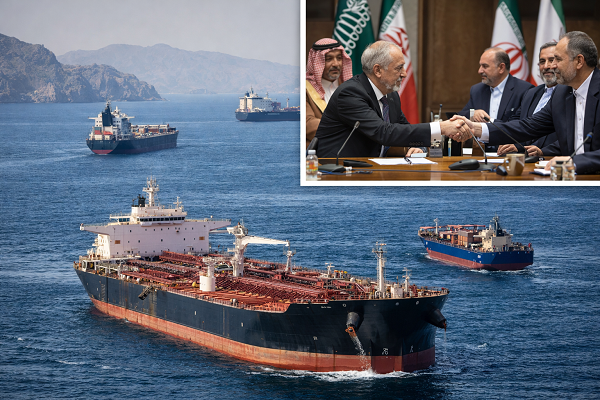
The focus is now on securing cooperation from regional stakeholders, including Iran.
“The question is what neighboring countries, especially Iran, could agree to,” she said.
Grain deal model offers precedent
The original grain deal, brokered by the UN and Turkey in 2022, allowed Ukraine to export agricultural products through a protected Black Sea corridor.
The agreement helped stabilize global food prices during the conflict.
However, the deal later collapsed after Russia withdrew in 2023, leading to renewed disruptions in global grain markets.
Risks of prolonged disruption
Analysts said replicating the grain deal model in the Strait of Hormuz could help stabilize global supply chains.
However, the success of such a plan depends on geopolitical cooperation and security guarantees.
Market outlook
Global markets remain highly sensitive to developments in the Strait of Hormuz.
Any diplomatic breakthrough could ease pressure on oil prices, fertilizer markets and food supply chains.
Traders will closely monitor negotiations, as disruptions in Hormuz could have widespread economic impact.