
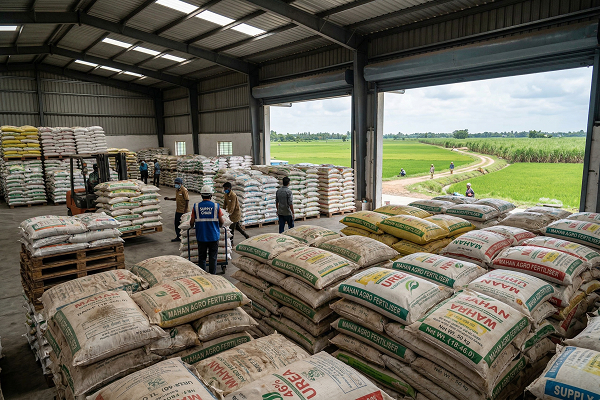
India’s fertiliser supply is facing rising risks ahead of the Kharif sowing season due to disruptions in West Asia, which accounts for a significant share of the country’s imports, according to a CareEdge Ratings report.
The report highlighted that nearly 26% of India’s fertiliser imports come from West Asia, making supplies vulnerable amid geopolitical tensions affecting key shipping routes, particularly through the Strait of Hormuz.
In addition to West Asia, India sources fertilisers from countries such as Jordan (19%), Russia (15%), Morocco (10%) and China (6%). However, the concentration of imports from geopolitically sensitive regions raises concerns over timely availability during the peak sowing period.
Market participants said any disruption in fertiliser supplies could directly impact crop planning and input availability, especially for major Kharif crops such as paddy, maize, soybean and pulses.
Higher fertiliser costs and supply delays may:
- Affect sowing decisions and acreage allocation
- Reduce crop yields if application is delayed
- Increase financial pressure on farmers
The report also noted that rising LNG prices, a key input for fertiliser production, could further push up fertiliser costs, potentially increasing the government’s subsidy burden.
Experts said the situation is particularly sensitive this year amid concerns over a possible El Niño, which may already pose risks to rainfall and crop productivity. Combined with fertiliser supply constraints, this could amplify risks to agricultural output.
The Strait of Hormuz remains a critical route for India’s energy and fertiliser-linked supply chains, and continued disruptions could have a cascading impact on both sectors.
Market participants will closely monitor developments, as prolonged supply constraints may support fertiliser prices and influence crop production, acreage decisions and agri commodity markets in the coming months.
Related posts:
 Freight Rates Surge Amid War Concerns; India Agri Exports Under Pressure
 WTO Flags India Farm Subsidies; Rice, Wheat Trade May See Impact
 EU Proposes ‘Grain Deal’ Model to Reopen Strait of Hormuz Amid Global Supply Risks
 War May Slow Economy Briefly, India to Support Exporters
 China May Boost Purchases of US Farm Products After Trade Talks
 US Consumer Prices Expected to Rise in February Ahead of Iran Conflict
 30% Cut in Gas Supply to Fertilizer Plants May Impact Urea Production in India