
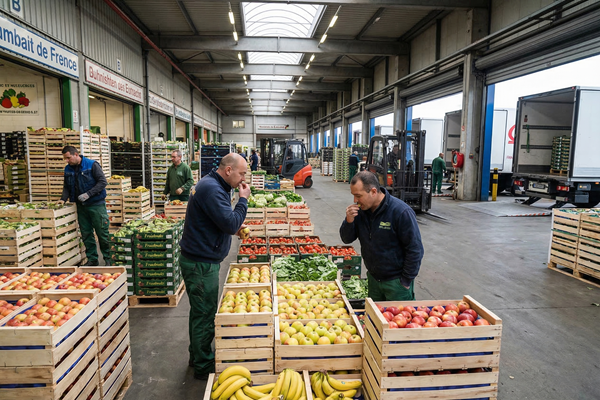
Germany is unlikely to face shortages of fresh fruits and vegetables despite the ongoing conflict in the Middle East, although logistics costs could rise if the war disrupts key global shipping routes, according to the Deutscher Fruchthandelsverband (DFHV).
In an interview, DFHV President Jürgen Bruch said the diversity of supply sources ensures that consumers will continue to have access to a wide range of fresh produce.
“No one needs to worry about restrictions regarding the supply of fresh produce; the range of products available in Germany is too diverse for that,” Bruch said.
While the conflict involving Iran remains uncertain, the German fruit trade body expects that the global fruit and vegetable supply chain will continue to function, supported by multiple sourcing regions.
Shipping Risks Could Raise Costs
However, Bruch warned that the conflict could push up logistics and transport costs, particularly if shipping routes are affected.
If vessels are unable to pass through the Suez Canal, they may be forced to reroute around the Cape of Good Hope, significantly extending transit times between Asia and Europe.
“This would lengthen freight routes and lead to higher costs,” he said.
Energy prices have already reacted to the conflict. According to Bruch, crude oil and diesel prices have risen sharply, reaching levels similar to those seen after the outbreak of the Ukraine war.
“There is currently no end in sight to this development, and it will inevitably affect logistics costs,” he added.
Spoilage Risks for Perishable Goods
Longer transport routes also increase the risk of spoilage for perishable goods such as fresh fruits and vegetables.
Despite these challenges, Bruch stressed that the international fruit trade has long experience managing disruptions.
The sector regularly faces geopolitical crises, extreme weather events and natural disasters, requiring rapid adjustments to supply chains.
“We work with fresh products, so we have to react flexibly and quickly,” Bruch said.