
CMB Trade Risk Alert
Category: India | Tea Trade | Middle East | Maritime Risk
🔵 Executive Summary
Indian tea exporters are facing rising uncertainty as escalating tensions in West Asia threaten maritime routes and disrupt supply chains to key Gulf markets.
With 45–50% of India’s total tea exports destined for the Middle East, prolonged instability — particularly any disruption to the Strait of Hormuz — could significantly impact volumes, pricing, freight costs, and payment cycles.
While the season is nearing its end, exporters warn that continued instability beyond the next month could materially affect trade flows and price realization.
🌍 Middle East: A Strategic Export Anchor
India’s 2025 tea exports to key regional markets:
| Country | Volume (million kg) |
| Iraq | 52.59 |
| UAE | 52.71 |
| Iran | 11.25 |
| Saudi Arabia | 7.94 |
These markets collectively represent nearly half of India’s total tea exports, underlining the region’s structural importance.
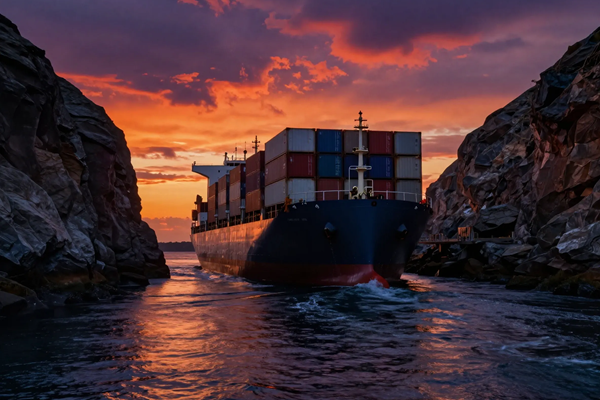
🚢 Strait of Hormuz Risk: The Critical Pressure Point
Industry leaders warn that any closure or restriction in the Strait of Hormuz would have immediate consequences:
- Disruption of container shipping routes
- Delayed cargo movements
- Increased freight charges
- Rising marine insurance premiums
A prolonged conflict could force vessels to reroute via the Cape of Good Hope instead of the Suez Canal.
Potential Impact of Rerouting:
- +3,500 nautical miles
- +25 days transit time
- Up to 40% increase in freight costs
Such a shift would significantly erode export competitiveness.
💳 Payment Risk and Iran Exposure
Exporters to Iran face additional financial concerns:
- Outstanding payments from earlier shipments
- Heightened uncertainty regarding receivables
- Limited communication channels
While exports to Iran are currently minimal due to season-end volumes, any further deterioration may increase payment default risk.
📦 Cargo Disruption Beyond the Gulf
Trade route instability is not limited to direct Gulf destinations.
Countries including:
- Kazakhstan
- Kyrgyzstan
- Uzbekistan
- Iraq
also depend on transit corridors affected by the regional conflict.
Shipments currently at sea or stranded at ports may face delivery delays and potential losses.
🛒 Auction and Market Impact
Exporters anticipate:
- Possible absence of Middle East buying at upcoming Kochi tea auctions.
- Short-term price pressure if Gulf demand stalls.
- Inventory build-up if shipments remain delayed.
However, the season’s late timing may cushion immediate supply-side shocks.
📊 Cost & Competitiveness Outlook
If instability persists:
| Risk Factor | Expected Impact |
| Freight rates | ↑ Up to 40% |
| Insurance premiums | ↑ Elevated |
| Transit time | +25 days |
| Working capital pressure | ↑ |
| Export margins | ↓ |
Indian tea could lose competitiveness against origins with alternative shipping routes or closer proximity to Gulf markets.
🧭 CMB Market Interpretation
This crisis introduces a second wave of uncertainty for Indian tea exporters following earlier tariff-related disruptions in Western markets.
Short-Term Outlook:
Manageable due to season-end supply.
Medium-Term Risk:
High, if conflict extends beyond 30–45 days.
Structural Risk:
Maritime chokepoint dependency remains a strategic vulnerability for Indian tea.
🔎 Key Watchpoints
- Status of the Strait of Hormuz shipping corridor
- Freight and marine insurance rate movements
- Payment settlements from Iranian buyers
- Middle East participation in upcoming auctions
- Rerouting patterns via Cape of Good Hope
🏁 Conclusion
The escalating West Asia conflict poses a serious logistical and financial risk to Indian tea exports, particularly given the region’s 45–50% share in total export volumes.
While immediate damage may be limited due to seasonal timing, prolonged instability could significantly raise transaction costs, delay deliveries, strain working capital, and weaken India’s competitive position in global tea markets.
For now, exporters are adopting a wait-and-watch approach — but the margin for disruption is narrowing.