
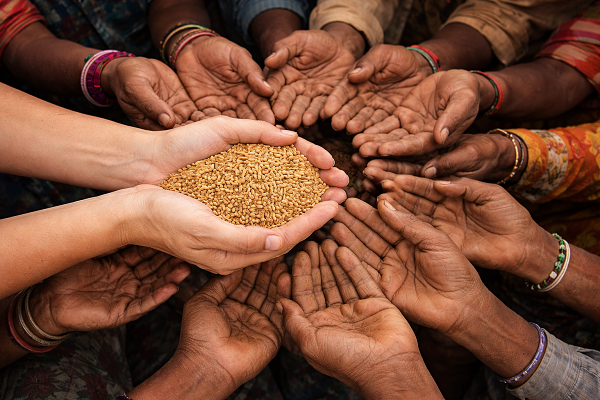
The Iran conflict has stranded approximately 70,000 tonnes of food aid at sea, blocking deliveries to the world’s poorest countries. The UN World Food Programme warns that 45 million additional people could face acute hunger if disruptions persist until June. Rising fuel and insurance costs are further stretching an already underfunded humanitarian system.
Food Aid Supply Chains Under Severe Pressure
Blocked shipping routes have forced the WFP to reroute critical food shipments overland. Aid destined for Afghanistan now travels via Dubai, Saudi Arabia, Jordan, Syria, Turkey, Azerbaijan, and Uzbekistan. This rerouting adds several weeks to transit times and significantly increases fuel and logistics costs.
Among the stranded shipments are 30,000 tonnes of containerised food, including canned goods, legumes, and specialised nutritious products. Additionally, around 21,000 tonnes of wheat intended for southern Yemen remain at sea. Shipments bound for the Democratic Republic of Congo face separate delays at Tanzanian ports due to congestion.
Scale of the Humanitarian Crisis
The WFP currently assists people from a base of 318 million already experiencing food insecurity globally. If logistical disruptions continue until June, that number could rise by a further 45 million people facing acute hunger. Furthermore, rising fuel prices are directly increasing the cost of imported food in countries where the WFP operates.
In Somalia, food prices have risen by approximately 20%, according to WFP estimates. Consequently, households with the least purchasing power face the sharpest deterioration in food access. WFP Supply Chain Director Corinne Fleischer has warned that higher fuel and insurance costs are making every humanitarian delivery more expensive.
Insurance Costs and Logistics Disruption
War-risk insurance surcharges have added significant costs to humanitarian cargo movements through affected routes. However, the WFP has secured waivers on some surcharges after negotiations with carriers. Despite these partial concessions, overall logistics costs remain elevated across the affected supply network.
High cargo volumes at alternative ports have created secondary bottlenecks. As a result, rerouted shipments are not simply slower — they are also competing for limited port capacity at transit hubs. Meanwhile, overland routes through multiple jurisdictions introduce additional border delays and handling costs.
Impact on Agricultural Markets and Smallholder Farmers
Higher fertiliser and energy costs linked to the conflict are placing additional pressure on smallholder farmers worldwide. The WFP estimates that approximately 500 million smallholder farmers are already struggling to afford agricultural inputs. Moreover, sustained energy price increases will reduce planting and yields in import-dependent economies during the coming growing season.
This dual pressure — on both food aid delivery and domestic agricultural production — compounds the risk of a prolonged food security crisis. Therefore, the humanitarian impact extends well beyond stranded shipments and into underlying food production capacity across vulnerable economies.
Funding Gap Threatens WFP Response Capacity
The WFP estimates it requires approximately $13 billion in 2026 to assist 110 million people. In contrast, the programme received only $6.4 billion last year. This funding gap leaves the organisation with limited capacity to absorb rising operational costs while maintaining existing programme coverage.
Without additional donor commitments, the WFP will face difficult prioritisation decisions across its active operations. Nevertheless, the organisation continues to pursue carrier negotiations and alternative logistics solutions to maintain supply continuity where possible.
Market Outlook
In the near term, food commodity import costs will remain elevated in WFP programme countries for as long as the Strait of Hormuz remains closed. Wheat and vegetable oil prices are particularly exposed, given their dependence on efficient maritime trade flows. Traders should monitor WFP operational updates and shipping insurance market developments closely over the next 30 to 60 days.
Over a six to twelve month horizon, the sustained rise in fertiliser and energy input costs could suppress agricultural output across Sub-Saharan Africa and South Asia. As a result, the 2026 to 2027 harvest cycle may face structurally lower yields in import-dependent economies. A prolonged conflict scenario would likely require emergency donor mobilisation at a scale not seen since the 2022 global food crisis.
Related posts:
 Chemical Prices Surge Amid Iran Conflict; Agriculture Input Costs Rise
 Iran Plans Strait of Hormuz Transit Fees Amid War, Sparks Global Oil and Food Price Fears
 Iran Halts Fruit and Vegetable Exports, Disrupting Global Supply Chains
 Crop Prices Rise Amid Iran Conflict as U.S. Farmers Sell Stocks
 Middle East Conflict Threatens Global Food Prices via Fertilizer and Energy Supply
 Iran Export Ban Pushes Food Prices Higher in Turkmenistan and Central Asia
 US Consumer Prices Expected to Rise in February Ahead of Iran Conflict
 German Fruit Trade Body Sees No Fresh Produce Shortage Despite Iran Conflict