
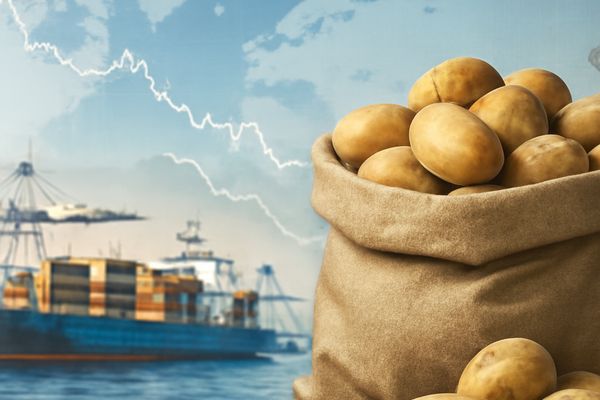
The potato market is currently caught in a pronounced downtrend, as a substantial increase in production exerts downward pressure on prices across key regions. The core narrative, based on the latest industry raw text, points to a continued decline in potato prices—a direct outcome of higher-than-anticipated yields and expanded acreage this season. While strong supply is generally positive for food security and processors, it has created challenges for growers and traders who face tighter margins and increased competition. Larger inventories, coupled with modest export demand and lagging domestic consumption, have further contributed to the bearish sentiment.
Storage facilities in major producing countries are reportedly operating near capacity, suggesting that the oversupply situation may persist unless adverse weather or a policy shift alters the supply-demand balance. Supplementary data illustrate stable potato starch prices in Poland (EUR 0.82/kg, FCA Lodz), providing a nuanced snapshot of derivative markets. Ahead, weather conditions and market reactions to the glut will be crucial in determining if prices stabilize or fall further. Market participants should remain vigilant for opportunities as volatility remains elevated in the weeks ahead.
Exclusive Offers on CMBroker

Potato starch
powder
FCA 0.82 €/kg
(from PL)
📈 Prices
| Product | Origin | Location | Delivery Terms | Latest Price | Previous Price | Weekly Change | Sentiment |
|---|---|---|---|---|---|---|---|
| Potato starch | PL | Lodz, PL | FCA | 0.82 EUR/kg | 0.82 EUR/kg | 0% (stable) | Neutral/Bearish |
🌍 Supply & Demand
- Production: Notably elevated due to higher yields and larger planted areas this season.
- Stocks: Storage facilities in leading producers nearing capacity; risk of spoilage if inventory remains high.
- Demand: Export demand remains modest; domestic consumption isn’t absorbing the surplus.
- Processors: Stable potato starch pricing indicates steady demand in value-added segments, but primary market oversupply is weighing on fresh and storage prices.
📊 Fundamentals
- USDA and Local Reports: Confirm high acreage and robust harvest volume, matching or exceeding earlier crop forecasts.
- Speculative Activity: Bearish tone with limited upside as speculative money stays on the sidelines.
- Inventories: High, with little relief expected in the short term unless strong demand emerges or output is curbed.
🌦️ Weather Outlook & Yields
- Key Growing Regions: Mild conditions and favorable rainfall have supported crop development so far.
- Short-Term Weather: Forecasts predict continued moderate temperatures and no major weather threats, suggesting stable supply outlook into the next week.
🌐 Global Production & Stock Comparisons
- Major Exporters: EU and Eastern Europe are reporting record or near-record output.
- Import Markets: Some developing markets may see increased buying due to lower prices, but not enough to offset global oversupply.
🔎 Market Drivers
- Surplus production amplifies downward pressure on market prices.
- Potato starch derivatives show price insulation for processors versus fresh potato markets.
- Bearish speculative sentiment and uncertainty around demand recovery.
- Weather remains supportive, but a sudden shift (e.g., early frost or heavy rains) could offer price support.
🔮 Trading Outlook & Recommendations
- For Growers: Consider forward contracts to manage downside risk and storage strategies to mitigate oversupply impact.
- For Traders: Favor short positions or cautious spot buying; monitor physical and futures markets for signs of a bottom.
- For Processors: Lock in low input costs where available, as current starch prices are stable despite market volatility.
- For End Users/Buyers: Take advantage of lower prices to secure longer-term contracts or stock up for expected demand periods.
⏳ 3-Day Price Forecast (Key Exchanges & Marketplaces)
| Market | Current Price | 3-Day Forecast | Sentiment |
|---|---|---|---|
| PL Lodz (Potato starch) | 0.82 EUR/kg | 0.81-0.82 EUR/kg | Stable/Bearish |
Summary: High output continues to pressure potato prices, with no immediate relief in sight. Watch for signs of policy action, weather anomalies, or a demand rebound to alter the current bearish outlook. Volatility and competition will persist; prudent risk management is recommended.