
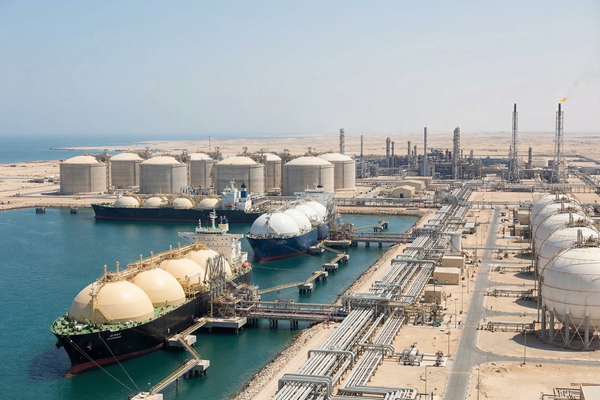
Qatar’s liquefied natural gas (LNG) exports have come to a standstill for five consecutive days, marking the longest interruption since at least 2008, according to ship-tracking data analyzed by Bloomberg. The disruption at the Ras Laffan LNG facility, the world’s largest LNG export complex, is raising concerns about tightening global gas supplies and higher energy prices.
Data from Kpler ship-tracking services shows that no LNG tanker has departed from Ras Laffan in five days, an unprecedented pause in exports from a facility that accounts for nearly 20% of global LNG supply.
The halt comes after an Iranian drone attack on energy infrastructure in Qatar last week amid escalating regional tensions. The attack forced operational disruptions at the export terminal and halted liquefaction activities.
Strait of Hormuz Disruptions Intensify Energy Concerns
Another key factor behind the disruption is the closure of major shipping routes in the region. According to the data, no LNG tanker has passed through the Strait of Hormuz since February 28, the day when the United States and Israel began military strikes against Iran.
The Strait of Hormuz is one of the world’s most important maritime chokepoints for energy trade, handling a large portion of global oil and gas shipments.
While Ras Laffan initially managed to ship a few LNG cargoes after halting production—likely using stored LNG reserves—the last shipment left the terminal on Friday, indicating that storage inventories may now be exhausted.
Global LNG Prices Rise
The shutdown has already pushed natural gas prices higher in both Europe and Asia, as buyers scramble to secure alternative supplies.
Most of Qatar’s LNG exports are directed toward Asian importers, including major markets such as Japan, South Korea, China, and India. With shipments halted, buyers in the region are reportedly seeking replacement cargoes from other producers or reducing gas supply to end-users.
Industries that depend heavily on natural gas—including fertilizer manufacturers, power producers, and heavy industries—are among the most exposed to supply disruptions.
Risk of Global Supply Tightening
Energy analysts warn that if the outage continues, it could tighten the global LNG market significantly, especially as demand remains strong across Asia and Europe.
Emerging economies that rely on spot LNG purchases may face the greatest challenges, as higher prices and reduced availability could force some countries to cut industrial consumption or reduce imports.
The unprecedented export halt at Ras Laffan underscores the growing vulnerability of global energy supply chains to geopolitical tensions, particularly in the Middle East.