
Ongoing geopolitical tensions in West Asia continue to keep global markets volatile, with risks emerging across energy, trade and agricultural supply chains.
The United States has indicated that talks with Iran are underway to ease the conflict, even as missile strikes and military activity continue across the region, keeping uncertainty elevated.
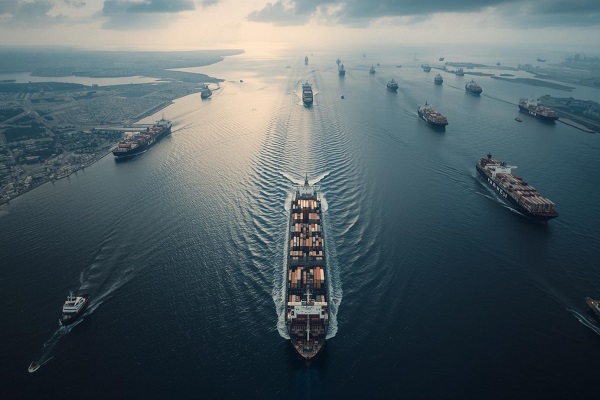
Market participants said tensions around the Strait of Hormuz, a key global shipping route, are raising concerns over disruptions in trade flows and economic stability.
Traders noted that any prolonged disruption in this critical corridor — which handles a significant share of global crude oil, LNG and bulk commodities — could have far-reaching implications for agriculture and food supply chains.
Higher energy and freight costs may:
- Increase fertiliser production costs
- Raise diesel and irrigation expenses
- Push up transportation and logistics costs
Participants said rising input costs could impact crop economics and sowing decisions, particularly in import-dependent countries like India.
In addition, shipping delays may disrupt exports of key agricultural commodities such as rice, sugar, spices and marine products, affecting global trade flows.
Market experts added that continued geopolitical uncertainty is likely to keep commodity markets volatile, influencing both input costs and export demand.
Participants will closely monitor developments, as any de-escalation could ease pressure on energy and logistics costs, while prolonged tensions may continue to pose challenges for agriculture and allied sectors.
Related posts:
 India Fuel Shortage Deepens as West Asia Crisis Pushes Crude Higher
 Iran Conflict Puts 45 Million at Acute Hunger Risk Food Aid & Humanitarian Supply Chains
 Freight Rates Surge Amid War Concerns; India Agri Exports Under Pressure
 Fertiliser Supply Risks Rise Ahead of Kharif; Agri Output May Be Impacted
 Iran Halts Fruit and Vegetable Exports, Disrupting Global Supply Chains
 Middle East Conflict Threatens Global Food Prices via Fertilizer and Energy Supply
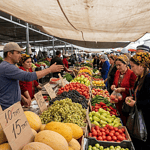 Iran Export Ban Pushes Food Prices Higher in Turkmenistan and Central Asia
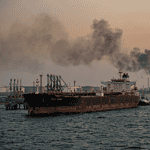 Oman Evacuates Major Oil Export Port as Tanker Attacks Deepen Middle East Energy Crisis