
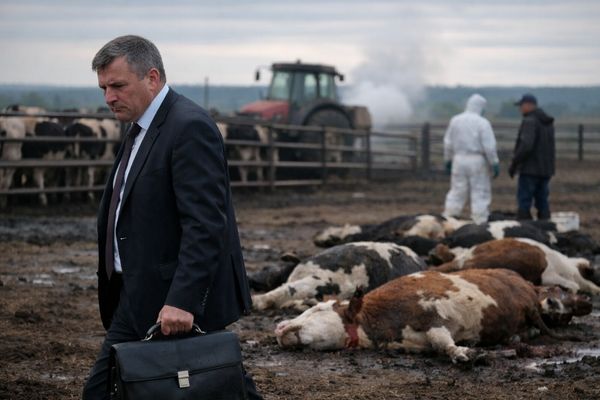
Russia’s dismissal of Novosibirsk’s regional agriculture minister amid a disputed cattle disease outbreak adds a new layer of policy and governance risk to an already fragile livestock situation in Siberia. For meat and dairy buyers, the combination of mass culling, farmer unrest, and conflicting disease narratives is increasing perceived sanitary and trade risk around Russian-origin bovine products.
The move comes as thousands of head of cattle have been seized and slaughtered under emergency veterinary measures since February, triggering rare farmer protests and legal challenges in the Novosibirsk region, a key livestock hub in western Siberia. Internationally, the episode is drawing close scrutiny after a recent USDA Foreign Agricultural Service (FAS) report suggested the scale of culling may resemble an unconfirmed foot-and-mouth disease (FMD) event, a claim Russian authorities strongly deny.
Headline
Russia Sacks Novosibirsk Agriculture Chief Amid Mass Cattle Culling, Heightening Global Livestock Trade Uncertainty
Introduction
On April 20, 2026, Novosibirsk Governor Andrei Travnikov removed regional agriculture minister Andrei Shindelov, citing accumulated complaints over his handling of agricultural support and veterinary safety, against the backdrop of a contentious cattle disease emergency and large-scale culling in the region. The dismissal follows weeks of protests by farmers who lost herds to mandatory slaughter and are challenging the legality and proportionality of state actions.
Authorities have officially linked the emergency to outbreaks of pasteurellosis and rabies, while a newly released USDA FAS report, based on local and trading contacts, argues that the scope of quarantine and depopulation measures may be consistent with an unconfirmed FMD outbreak in Siberia, including Novosibirsk. Russia’s agriculture watchdog rejects this assessment, but the policy fallout now includes both ministerial change and growing pressure from domestic producers and neighboring importers.
🌍 Immediate Market Impact
The removal of the regional agriculture minister signals that Moscow and regional authorities recognize governance failures in managing the crisis, but it also underlines the seriousness of the veterinary situation for market participants. In the short term, mass culling has already reduced cattle numbers in Novosibirsk by around 10–11% year-on-year, with cows down over 13%, outpacing the national herd contraction. This implies near-term tightening in local beef and raw milk supply, with potential spillover into Russia’s wider Siberian dairy and beef chain.
On the trade side, uncertainty over the true disease status is now a key risk variable. Kazakhstan has already imposed and gradually expanded a ban on imports of live animals, meat, dairy products, and other animal-derived materials from several Russian regions since February, explicitly citing disease concerns. If more importers adopt a precautionary stance, Russian beef and live cattle flows from affected regions could face additional curbs, supporting regional prices elsewhere while pressuring domestic margins in Russia.
📦 Supply Chain Disruptions
The emergency regime in Novosibirsk has included quarantines, movement restrictions, and seizure of animals from small and mid-sized farms, disrupting collection, slaughter, and processing logistics. Transport of live cattle and potentially contaminated products from quarantined districts has been curtailed, forcing processors to adjust sourcing footprints and increasing truck deadhead miles and costs.
Farmer protests in Novosibirsk city and even in Moscow, along with lawsuits filed by affected agricultural businesses, highlight the operational and financial strain across the supply chain. Compensation pledges from federal and regional authorities may partially offset losses, but payment delays and valuation disputes are likely to prolong liquidity pressure on smaller producers, potentially accelerating structural consolidation in Russia’s livestock sector.
📊 Commodities Potentially Affected
- Beef (live cattle and carcass) – Direct hit from herd culling and movement restrictions in Novosibirsk and neighboring regions, potentially tightening local supply while limiting exportable surpluses from affected zones.
- Dairy (raw milk, powder, cheese, butter) – Loss of cows and stress on small dairy farms in Siberia could constrain raw milk availability even as Russia relies on productivity gains to sustain output.
- Feed grains and oilseed meals – Reduced cattle numbers may trim local feed demand in the medium term, impacting domestic basis levels and procurement patterns for compound feed producers in western Siberia.
- Rendered products and animal by-products – Increased volumes from emergency slaughter, combined with potential trade frictions, could alter pricing and flows for hides, tallow, and meat-and-bone meal from the region.
- Regional livestock trade (CIS markets) – Kazakhstan’s expanded ban on Russian animal-origin products indicates rising sanitary barriers in Central Asia, with knock-on effects for cross-border meat and dairy trade.
🌎 Regional Trade Implications
Kazakhstan’s restrictions highlight how quickly regional partners can react to perceived disease risk, even without formal confirmation of FMD. If other Eurasian Economic Union members or Middle Eastern and Asian buyers take similar steps, Russia could see a reorientation of its bovine exports toward less sensitive or politically aligned markets, potentially at discounted prices.
Conversely, alternative suppliers of beef and dairy to Central Asia and select Middle Eastern buyers—such as Brazil, India, Pakistan, and EU members with FMD-free status—could benefit from any sustained hesitation around Russian-origin product. The USDA FAS report has already flagged concerns among trading contacts about the adequacy of Russia’s vaccines and the potential impact on its cattle trade, which may encourage some buyers to diversify sourcing pre-emptively.
🧭 Market Outlook
Near term, market attention will focus on three signals: the pace of additional culling or lifting of quarantines in Novosibirsk, the appointment and policy stance of Shindelov’s successor, and any formal responses by major importing countries beyond Kazakhstan. Further depopulation or evidence of spread to other key livestock regions would likely intensify scrutiny of Russian sanitary status and could trigger broader trade responses.
Price-wise, localized tightening in Siberian beef and raw milk supply may be partially offset by weaker demand from processors constrained by logistics, but any wider perception of FMD risk could support prices for competing exporters into CIS and Middle Eastern markets. Volatility premiums in regional livestock, dairy, and related FX markets may persist as long as the disease identity remains disputed and governance shifts continue.
CMB Market Insight
The dismissal of Novosibirsk’s agriculture minister transforms a veterinary emergency into a broader policy and governance event with direct relevance for commodity risk management. For traders and industrial buyers, the key issue is not only the immediate herd loss but also confidence in Russia’s animal health reporting and crisis management framework.
Until the disease situation and policy response in Novosibirsk stabilize, counterparties exposed to Russian bovine supply should reassess sanitary and non-performance risk, stress-test alternative sourcing options in Central Asia, South America, and the EU, and closely monitor any new import measures by regional partners. The episode underscores that animal health governance in key producing regions can rapidly become a price-relevant driver for global meat and dairy markets.