
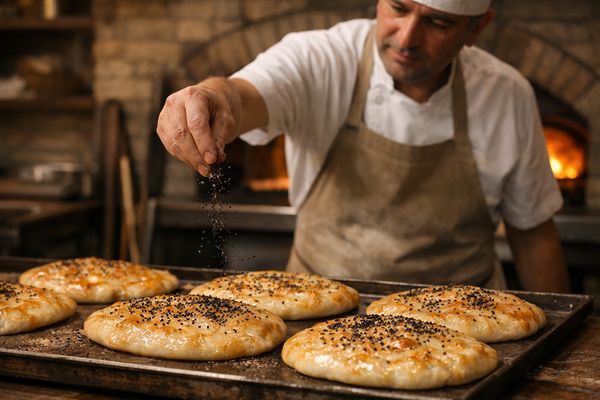
Nigella (kalonji) prices have entered a strong bullish phase as a pronounced supply shortfall in India meets resilient domestic and export demand, driving sharp gains and encouraging stock-building by traders.
Nigella trading has become notably more active in recent weeks, with reduced arrivals in key Indian mandis and low carryover stocks tightening spot availability. Despite higher prices, demand from spice processors, food industries and export destinations remains largely intact, keeping the market well bid. With participants expecting further upside as long as supplies stay constrained, sentiment is firmly bullish in the near term.
Exclusive Offers on CMBroker

Nigella seeds
Machine Clean
99.80%
FOB 2.02 €/kg
(from IN)

Nigella seeds
Kalonji Sortex
99%
FOB 1.95 €/kg
(from IN)

Nigella seeds
Sortex
99.5%
FOB 2.20 €/kg
(from EG)
📈 Prices & Market Tone
Nigella prices in India have moved sharply higher over a short period, rising by roughly $6.00–6.50 per 100 kg. This marks a steep upward correction from previous weeks, particularly for higher grades that benefit from export interest and tighter availability.
Current wholesale levels are reported around $260–400 per 100 kg, depending on quality and origin. Translating roughly into EUR terms (using indicative FX), this places bulk nigella in a firmly elevated band, consistent with the bullish tone seen in the domestic and international spot market.
| Origin / Type | Location / Terms | Quality | Current price (EUR/kg) |
|---|---|---|---|
| India – Nigella seeds Machine Clean | New Delhi, FOB | ≈99.8% | ≈1.85–1.90 |
| India – Nigella seeds Kalonji Sortex | New Delhi, FOB | ≈99% | ≈1.80–1.85 |
| Egypt – Nigella seeds Sortex | Cairo, FOB | ≈99.5% | ≈2.05–2.10 |
🌍 Supply & Demand Dynamics
The core driver of the current nigella rally is a pronounced tightening in supply. Market participants indicate lower production and significantly reduced arrivals in key Indian wholesale markets, which has sharply limited spot availability. In addition, reduced carryover stocks mean there is little buffer to absorb steady offtake, amplifying the price response.
On the demand side, consumption remains broadly stable across spice markets, food processing industries and traditional medicinal channels. Export demand is particularly supportive for higher-grade material, where limited availability and quality differentiation have led to stronger price appreciation. Importantly, there are no signs yet of a demand collapse: higher prices have not meaningfully eroded offtake, keeping the balance sheet tight.
📊 Market Activity & Trade Behavior
Trading volumes have picked up in major mandis and export hubs as both local buyers and international customers look to secure coverage. Stockists are actively building or holding positions rather than releasing material, reflecting widespread expectations of further price gains in the short term. This withholding behavior is adding another layer of tightness to an already constrained supply environment.
Limited fresh arrivals are restricting market liquidity, especially in physical spot trades. As a result, bids are moving higher to draw out available stocks, encouraging aggressive buying by traders and exporters. The combination of low visible supply, strong replacement risk and firm demand is reinforcing the upward trend and keeping volatility elevated.
📆 Outlook & Weather Considerations
The near-term outlook for the nigella market remains clearly bullish. As long as arrivals stay limited and production estimates do not meaningfully improve, prices are likely to remain elevated with potential for further upside. Any genuine easing in stock pressure or signs of increased supply would likely only moderate, rather than reverse, the current price level in the first instance.
Weather developments in key growing regions will be closely watched for signals on the next crop’s size and quality, but for now the main driver is the immediate supply shortfall rather than future production. Market participants are expected to continue monitoring mandi arrivals, farmer selling interest and export booking flows as the primary indicators for near-term direction.
📌 Trading Outlook & Strategy
- For buyers: Consider securing short- to medium-term coverage on dips, as structural tightness and strong sentiment limit the likelihood of a rapid price correction in the immediate future.
- For sellers: The current environment favors a measured, staggered selling strategy, especially for higher grades, to capture potential further upside while managing price risk.
- For traders: Volatility and low liquidity offer opportunities, but positions should be closely managed around supply headlines and any signs of changing arrival patterns.
📉 3-Day Price Indication (Directional)
- India (FOB New Delhi, all grades): Bias moderately upward; tight physical availability and ongoing export interest support firm to slightly higher EUR prices over the next 3 days.
- Egypt (FOB Cairo): Mostly steady to slightly firmer in EUR terms, tracking Indian market strength and limited competitive pressure from alternative origins.
Related posts:
 Mustard Seeds Hold Firm as Palm Oil Rally Supports Indian Market
 Nigella Seeds Spike on Indian Supply Hold-Back, But Rally Looks Fragile
 Nigella Seeds Edging Softer as India Discounts Against Steady Egypt
 Nigella seeds find a price floor as Indian new-crop pressure eases
 Nigella seeds rebound as Indian supply pressure eases and mango season nears
 Nigella seeds: Delhi spot rally contrasts with softer Indian export offers
 Indian Nigella Prices Ease Slightly but Stay Firm Under Heatwave Risk