
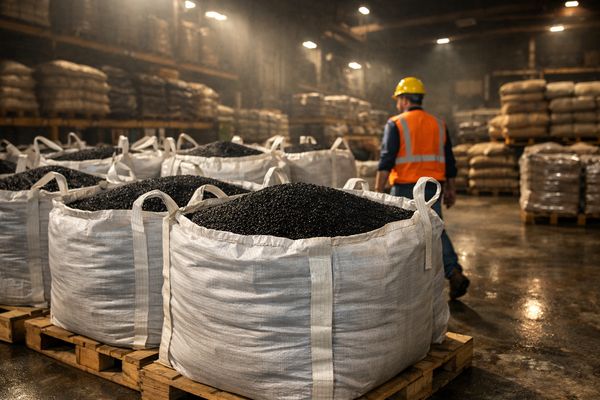
Indian nigella seed prices have jumped sharply in a single session on supply-side reluctance rather than genuine demand strength, leaving the market vulnerable to a fast correction if sellers return.
In India’s nigella (kalonji) market, a thin trading environment amplified a sudden withdrawal of selling interest, pushing Delhi wholesale prices around 500 rupees higher to roughly EUR 0.27–0.28 per kg equivalent. The move is highly technical: no new export programs or significant domestic industrial demand have emerged, and related niche seeds like watermelon seeds actually weakened, underlining how localized the nigella move is. Export-grade offers ex-India in late April still show only modest week‑on‑week changes in EUR terms, suggesting international buyers are cautious about chasing this rally.
Exclusive Offers on CMBroker

Nigella seeds
Machine Clean
99.80%
FOB 2.02 €/kg
(from IN)

Nigella seeds
Kalonji Sortex
99%
FOB 1.95 €/kg
(from IN)

Nigella seeds
Sortex
99.5%
FOB 2.20 €/kg
(from EG)
📈 Prices & Market Tone
Delhi wholesale nigella prices surged by about 500 rupees per quintal in the latest session, driven by sellers stepping back from the market rather than any visible demand spike. In contrast, coriander and mustard softened the same day, while turmeric and nigella gained, pointing to selective tightness rather than a broad bull run in spices.
FOB and FCA offers for Indian nigella into export channels currently hover around EUR 1.70–2.06/kg depending on grade and terms, with week‑on‑week moves relatively modest. Egyptian nigella offers are quoted around EUR 2.20/kg FOB, broadly steady, indicating that the sharp Indian spot lift has not yet translated into an aggressive global repricing.
| Origin / Grade | Location & Terms | Latest Price (EUR/kg) | 1 Week Ago (EUR/kg) |
|---|---|---|---|
| IN Nigella, Machine Clean 99.8% | New Delhi, FOB | 2.02 | 2.06 |
| IN Nigella, Kalonji Sortex 99% | New Delhi, FOB | 1.95 | 1.98 |
| EG Nigella, Sortex 99.5% | Cairo, FOB | 2.20 | 2.20 |
🌍 Supply & Demand Drivers
The latest rally is almost entirely supply‑driven: Indian holders, anticipating further appreciation, have withheld material, tightening an already thin spot market. There is no accompanying surge in domestic food processing, Ayurvedic, or herbal sector demand, nor in export buying, to validate the higher levels.
Watermelon seeds, a comparable niche segment, fell modestly on the same day due to weak offtake, reinforcing that this is not a broad thin‑market squeeze across all small seeds. With production in India concentrated in Madhya Pradesh, Rajasthan, and parts of Gujarat, any meaningful physical tightness would normally be signaled by stronger export inquiry, which has not been reported so far.
📊 Fundamentals & Risk Assessment
Structurally, nigella remains a niche spice by traded volume but enjoys steady baseline demand from Middle Eastern, European, and North African buyers for bakery and dairy applications. The current price spike, however, is occurring in an otherwise quiet demand environment, making it more akin to a positioning event than a shift in fundamentals.
No fresh weather or crop damage news has been linked to the move, reducing the likelihood that this marks the start of a sustained supply shortage. Historically, such technically driven rallies in thin markets tend to reverse once price‑sensitive sellers re‑enter, especially if export demand does not follow through at elevated levels.
📆 Short-Term Outlook (2–4 Weeks)
The key variable for the next month is seller behavior in India. If holders persist in restricting supply, spot prices in Delhi could edge higher and export offers might firm gradually in EUR terms, particularly for higher‑purity grades.
However, the lack of confirmatory demand signals suggests a high risk of a swift pullback once some participants monetize profits. European importers should be cautious about over‑committing at current levels and instead watch for signs of fresh selling or any genuine uptick in export bookings before accepting higher forward prices.
🧭 Trading Outlook
- European buyers: Avoid chasing the spike; stagger purchases and prioritize short‑term coverage while monitoring whether Indian sellers resume offers in coming sessions.
- Importers in MENA: Use the current rally to test supplier willingness to offer forward at only modest premiums; consider switching marginal volumes between Indian and Egyptian origins if differentials widen.
- Indian stockists: Current strength is technically driven; consider scaling out of positions on further gains, as a lack of follow‑through demand raises reversal risk.
📍 3-Day Directional View (EUR Terms)
- India, New Delhi FOB: Slightly firm bias but with rising probability of consolidation if more offers appear.
- India, New Delhi FCA (export packing): Largely stable in EUR, with only limited upside expected absent new export interest.
- Egypt, Cairo FOB: Steady; Indian spot volatility has not yet forced a reaction in Egyptian offer levels.
Related posts:
 Nigella Seeds Edging Softer as India Discounts Against Steady Egypt
 Nigella seeds find a price floor as Indian new-crop pressure eases
 Nigella seeds rebound as Indian supply pressure eases and mango season nears
 Nigella seeds: Delhi spot rally contrasts with softer Indian export offers
 Indian Nigella Prices Ease from Early-April Spike but Stay Firm vs Egypt
 Indian Turmeric Prices Ease Slightly After Spike, Futures Stay Elevated