
Organic dried oregano export prices from India are holding steady, with New Delhi FOB indications unchanged in recent weeks, but broader spice-market softness and emerging weather risks suggest a cautious near-term outlook for buyers and sellers.
Spot and futures activity in India’s spice complex point to subdued demand and better arrivals in several key spices, while logistics and currency conditions remain broadly supportive for exports. At the same time, India’s meteorological authorities flag an unusual overlap of heavy rain, hailstorms and heatwaves across multiple regions in early May, creating quality-risk headlines for herbs and specialty crops. For oregano, current export offers appear well anchored, yet upside could emerge if weather disruptions coincide with tightening herb supply globally. Market participants should use this stable window to fine-tune coverage and quality specifications before any weather-driven volatility materialises.
Exclusive Offers on CMBroker

Oregano
dried
FOB 2.90 €/kg
(from IN)
📈 Prices & Spreads
Export offers for organic dried oregano of Indian origin on an FOB New Delhi basis are currently around EUR 2.65/kg, effectively unchanged versus the past three weeks after converting from recent rupee-based indications and dollar benchmarks.
Indian wholesale herb benchmarks such as air-dried oregano supplied into the New Delhi horeca channel are quoted near the equivalent of EUR 3.80–4.00/kg for bulk packs, implying a modest export discount once freight and margins are stripped out.
| Product | Origin | Location / Terms | Price (EUR/kg) | Trend vs 2 weeks ago |
|---|---|---|---|---|
| Oregano, dried, organic | India | New Delhi, FOB | ≈ 2.65 | Stable |
| Oregano, air‑dried (HORECA) | India | New Delhi, wholesale | ≈ 3.80–4.00 | Stable |
🌍 Supply, Demand & Trade Flows
Recent crop and trade intelligence across the Indian spice basket shows mixed but generally adequate supply, with jeera and coriander facing pressure from higher arrivals and softer export demand, while turmeric trades flat as arrivals recover. Although oregano is a niche item compared with these majors, the same export ecosystem, freight conditions and buyer sentiment apply.
India’s latest official trade documentation continues to list oregano among the value‑added and herb components of the spice export basket, underlining its role in diversified shipments rather than a volume driver. Exporters report generally firm interest from Europe and the Middle East for organic-certified Indian herbs, but competition from Mediterranean suppliers in conventional oregano keeps aggressive price moves in check.
⛅ Weather & Crop Quality Outlook (India)
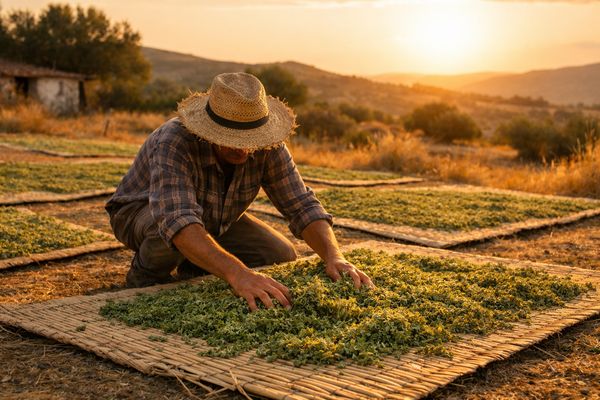
The India Meteorological Department (IMD) has issued an alert for May 3, warning of simultaneous heavy rain, hailstorms and heatwave conditions across multiple regions, with a seasonal outlook pointing to above‑normal heatwave days over northwest, central and parts of peninsular India through June. While oregano in India is grown in scattered pockets rather than large monoculture belts, such volatile weather during late drying and storage stages can increase risks of discoloration, higher moisture and microbial issues.
For the coming week, western disturbances and convective activity imply localised storm events rather than broad‑based crop damage. However, for sun‑dried herbs like oregano, even short wet spells can force re‑drying, add to labour costs and raise rejection risks in export quality checks. Processors relying on open‑yard drying should be especially cautious about moisture control and aflatoxin parameters in lots scheduled for May and early June shipment.
📊 Market Drivers & Risks
- Spice complex sentiment: Mixed price action in headline spices (jeera down on high arrivals, turmeric flat, coriander easier) signals a broader cooling in speculative enthusiasm and restocking appetite, which indirectly caps upside for secondary herbs like oregano.
- Export economics: Recent moderation in fuel export windfall taxes and still‑elevated but stable freight costs help keep India’s containerised spice exports competitive, though the broader West Asia crisis remains a background risk for routing and insurance.
- Herb demand trend: Global ingredient reports continue to highlight growing usage of Mediterranean herbs, including oregano, in processed foods, with some noting increased demand for dried herbs in 2026, which supports a firm floor for organic-grade prices.
- Weather volatility: IMD’s forecast of overlapping storms and heatwaves raises short‑term quality risks in north and central India, especially for small and mid‑scale processors dependent on ambient drying conditions.
💹 Trading Outlook
- Importers / Buyers: Use the current price stability around EUR 2.65/kg FOB to secure near‑term organic oregano coverage, prioritising suppliers with controlled or mechanical drying to mitigate the May–June weather risk. Consider modest forward bookings into early Q3 while wider spice sentiment remains soft.
- Indian Exporters: Maintain offer levels but stay flexible on small discounts for volume contracts, as broader spice markets signal subdued demand. Tighten quality protocols (moisture, microbial load, pesticide residues) ahead of potential rain and heatwave overlaps to avoid claims in EU and Middle East markets.
- Traders / Distributors: Avoid heavy long positions; focus on just‑in‑time replenishment and product differentiation (organic certification, traceability, fine cut) rather than price speculation, as any upside in oregano is more likely to be gradual and quality‑driven than a sharp spike.
📆 3‑Day Price Indication (Region: India)
For the next three days (May 3–5), export‑grade organic dried oregano prices FOB New Delhi are expected to remain broadly stable in euro terms, with only marginal intra‑day negotiation ranges.
- New Delhi FOB organic oregano: ≈ EUR 2.60–2.70/kg, stable bias.
- Domestic wholesale (New Delhi herbs channel): ≈ EUR 3.80–4.00/kg equivalent, stable; any weather‑related quality concerns would first show up as increased grade spreads rather than headline price moves.