
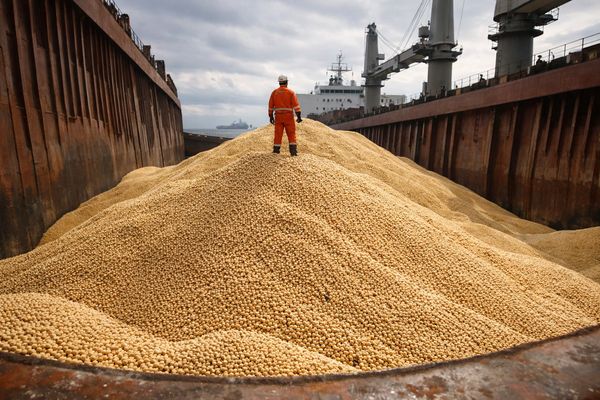
Poland is strengthening incentives for domestic soybean and protein crop production within the EU’s 2023–2027 CAP framework just as Brussels’ wider protein strategy gains traction. This policy shift, combined with new EU-approved biological seed treatments and growing non-GMO protein demand, is set to gradually reshape regional feed, oilseed and plant-protein supply chains in Central Europe.
For commodity traders and feed industry buyers, the evolving support architecture for legumes and soybeans in Poland points to a medium‑term rebalancing away from exclusive reliance on imported GMO soymeal, towards a more diversified mix of local non‑GMO beans and meal, backed by CAP-linked subsidies and input innovations.
Headline
Poland’s Protein Push: New Support for Soybean and Legumes Signals Gradual Shift in Central European Feed and Oilseed Markets
Introduction
Poland’s agricultural policy for 2023–2027, implemented through its CAP Strategic Plan, explicitly promotes the expansion of protein crops, including soybean, across the country. The plan combines basic income support with eco-schemes and coupled payments, as well as targeted support for leguminous crops and certified seed, to stimulate acreage growth and reduce dependence on imported protein.
In parallel, the EU-level debate on protein sovereignty and sustainable soy sourcing is intensifying, with organisations such as Donau Soja calling for regulatory frameworks that differentiate European-grown soy and align with the EU Protein Strategy. For Poland – a leading poultry exporter and one of the EU’s largest importers of GMO soy-based feed – these developments intersect with ongoing efforts to build a viable domestic non-GMO soybean chain.
🌍 Immediate Market Impact
While the latest measures are evolutionary rather than a single headline reform, the combined effect of CAP payments and new technical solutions points to a steady expansion of soybean and other protein crops in Poland over the next seasons. Poland already offers per‑hectare basic income support and, in line with other member states, can top this up with coupled payments targeted at protein crops, improving gross margins versus cereals or maize.
On the input side, the EU-wide regulatory approval of new soybean inoculant and seed-coating technologies, such as Protealis’ MagNfix™, with pre-commercial rollout in key markets including Poland, is expected to support higher yields and protein content in non‑GMO soy. Together, these policy and technology drivers create incentives for growers to expand soy and legume area, gradually increasing local availability of beans and meal for feed compounding and food uses.
📦 Supply Chain Disruptions
No acute logistical shock is visible in the short term; ports and crushers will continue to handle high volumes of imported GMO soymeal. However, policy-backed acreage growth in Polish soy and legumes may start to re-route part of domestic demand away from imported supplies over the medium term, potentially altering utilisation patterns at inland crushers and on-farm feed mills.
Subsidies for leguminous crops and seed, highlighted in recent Polish agricultural support documents, lower entry barriers for growers investing in sowing material and agronomy for soy, lupin and peas. This can create more regionally fragmented supply chains, with clusters of non‑GMO beans moving by truck or rail to local crushers or extrusion units, rather than through seaborne bulk flows only.
📊 Commodities Potentially Affected
- Soybeans (non‑GMO): Direct beneficiary of CAP-coupled protein crop support and new seed technologies; expected area and output growth in Poland and neighbouring Central European regions.
- Soymeal (GMO imports): Poland remains heavily dependent on imported GMO soymeal, but incremental domestic bean production could slowly reduce import growth, particularly for premium non‑GMO or identity-preserved segments.
- Other protein crops (peas, faba beans, lupins, lentils): Eligible for similar CAP support measures, these crops provide additional local protein options for feed and food, diversifying away from soy alone.
- Rapeseed and other oilseeds: Some arable area may gradually rotate from rapeseed or maize into soy and legumes where subsidies and agronomic benefits are attractive, marginally tightening local rapeseed balances over time.
- Plant‑based protein ingredients: EU initiatives on protein diversification and guaranteed offtake schemes for European soy and legumes can support processing investments, influencing prices and availability of concentrates and isolates.
🌎 Regional Trade Implications
Poland currently imports substantial volumes of GMO soymeal, mainly from Brazil, Argentina and Ukraine, making it one of the EU’s largest buyers of protein feed. As domestic soybean and legume output increases under CAP support, traders may see slower growth – though not an immediate decline – in Polish import demand for standard GMO meal, especially in premium non‑GMO and origin‑certified segments.
Neighbouring Central European producers of certified non‑GMO soy, particularly within the Donau Soja network, could benefit from stronger demand for regionally produced beans and meal, as processors and retailers respond to EU-level calls for origin-based sustainability criteria. Over time, this may encourage more cross-border intra‑EU soy flows at the expense of some long‑haul imports, especially for value-added food and specialty feed markets.
🧭 Market Outlook
In the short term, price impacts on global soy and protein markets from Poland’s policy-driven expansion are limited, given the country’s continued heavy reliance on imports and the relatively modest absolute size of domestic production. However, for regional traders and crushers, incremental increases in local non‑GMO bean availability could start to influence basis levels, premiums, and contract structures for Polish-origin material.
Medium term, the combination of CAP-coupled supports, protein diversification initiatives and new soybean technologies positions Poland as an increasingly relevant player in the European non‑GMO soy complex. Market participants will closely watch planting intentions, realised yields and the speed of investment in crushing and extrusion capacity tailored to local beans, as these will determine how quickly import dependency can be partially eased.
CMB Market Insight
For commodity professionals, Poland’s evolving protein crop policy and technology environment should be viewed as a structural, not cyclical, shift. While imported GMO soymeal will remain indispensable to the Polish feed industry for the rest of this decade, incremental growth in domestically supported soy and legume output will gradually deepen liquidity in regional non‑GMO markets and reshape intra‑EU trade flows.
Strategically, traders, crushers and feed compounders focused on Central Europe should begin integrating Polish-origin soy and legumes into their medium‑term sourcing and risk management frameworks, anticipating a more diversified protein supply base anchored by CAP incentives and EU protein strategy priorities.
Related posts:
 China’s Soybean Exports Pivot on Korea While Domestic Prices Edge Higher
 Palm Oil Pressured by Weak Crude, Softer Vegoils and Disappointing Biodiesel Support
 Soy Complex Softens at Front but Meal-Led Support Limits Downside
 Palm Oil Under Pressure Despite Energy-Led Support for Vegoils
 Palm Oil Futures Hold Firm as Vegoil Complex and Biodiesel Demand Support Prices
 Ukrainian rapeseed prices hold firm as EU demand and weather risks support market
 Soybean Complex Turns Lower as US–Iran Ceasefire Deflates Oil Risk Premium
 Early Spring Heat and Drying Soils in Poland Raise New Season Risk for Grain and Rapeseed Markets