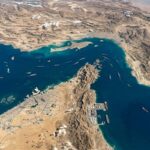
Iran’s new proposal to reopen the Strait of Hormuz in exchange for an end to the U.S. naval blockade has raised cautious optimism in energy and agricultural markets, while underlining the extreme fragility of shipping routes through one of the world’s most strategic chokepoints. For commodity traders, the offer signals potential relief on freight and risk premiums but also a prolonged period of political and price volatility.
The latest initiative, relayed via Pakistani mediators and reported by multiple outlets, would see Tehran lift its chokehold on Hormuz and move toward a more durable ceasefire, while deferring negotiations on its nuclear program to a later stage. With a U.S. naval blockade of Iranian ports still in force, and only a fragile ceasefire limiting active hostilities, the proposal sits at the heart of global oil, LNG and dry bulk trade calculations.
Introduction
Since early 2026, Iran’s closure or partial restriction of the Strait of Hormuz has disrupted one of the world’s most critical maritime corridors, through which roughly a quarter of seaborne crude oil and a fifth of liquefied natural gas (LNG) typically pass in peacetime. The U.S. response has included an aerial campaign and, from mid-April, a formal naval blockade targeting Iranian ports and shipping, further complicating commercial traffic in the Gulf.
Reports from Axios and regional media indicate Iran has now put forward a structured offer via Pakistan and Oman: reopen Hormuz, move toward ending the war, and postpone nuclear negotiations, in exchange for Washington easing or lifting the blockade. U.S. officials are reviewing the plan amid internal debate, and the White House is expected to convene further high-level discussions, leaving markets to price a broad range of outcomes from renewed escalation to partial normalization of trade flows.
🌍 Immediate Market Impact
Oil and products markets remain highly sensitive to any signal on Hormuz access. News of the proposal has reinforced hopes for a gradual easing of shipping disruptions, but traders remain wary given Iran’s recent seizure of commercial vessels and deployment of additional naval mines in the strait. Risk premiums on Gulf-origin crude, condensates and naphtha are unlikely to unwind quickly while negotiations remain fluid and the blockade is still in place.
Freight rates for tankers and some dry bulk segments have already reflected rerouting, longer voyages and elevated war-risk insurance associated with the conflict. A credible roadmap to reopening Hormuz could cap further spikes and begin to stabilize insurance costs, but many charterers will wait for clear de-escalation on the water, not just at the negotiating table. LNG spot cargoes from Qatar and other Gulf producers, while still moving under heavy naval escort, continue to price in the risk of sudden closure or incident.
📦 Supply Chain Disruptions
The combination of Iranian closures, U.S. blockade measures and vessel seizures has created a layered disruption in the Gulf. Oil and LNG carriers face congestion at safer staging areas outside the most exposed zones, with some owners delaying loadings or diversions at short notice when risk levels spike. This adds variability to delivery times for refiners and power utilities across Asia and Europe.
Agricultural flows are indirectly caught in the crossfire. While key Black Sea, Atlantic and Pacific routes remain open, bulk carriers moving grains, oilseeds, sugar or fertilizers into the Gulf region are confronting higher insurance premiums and potential delays at ports in Iran and neighboring states affected by tighter security checks and naval patrols. Regional importers in the Middle East and South Asia face higher landed costs, especially for wheat, corn, soymeal and rice sourced from distant origins where longer voyages via alternate routes increase freight exposure.
📊 Commodities Potentially Affected
- Crude oil and condensates – Directly exposed, as a large share of Gulf exports must transit Hormuz; disruptions or reopening will strongly influence flat prices and regional differentials.
- Refined products (diesel, gasoline, jet) – Gulf refineries supplying Africa, Europe and Asia face logistics risk; any easing of constraints could normalize arbitrage flows and crack spreads.
- LNG – Qatar and other exporters depend on secure Hormuz passage; continued uncertainty sustains higher spot volatility and contract risk clauses.
- Grains (wheat, corn, barley) – MENA and Gulf importers reliant on seaborne inflows may see higher freight and risk premiums, particularly for cargoes crossing or approaching the Gulf.
- Oilseeds and meals – Soybean and rapeseed complex shipments into the region face elevated logistics costs; feed and food inflation risks persist for poultry and livestock sectors.
- Sugar – Raw and white sugar destined for Gulf refiners and re-export hubs may encounter scheduling disruptions and higher CIF prices.
- Fertilizers (urea, ammonia) – Both export and import flows through the Gulf are vulnerable to shipping and insurance constraints, with knock-on effects on global crop input costs.
🌎 Regional Trade Implications
If the Hormuz reopening plan gains traction and the blockade is eased, Gulf producers could gradually restore more predictable export patterns, reinforcing their role in supplying crude, LNG and fertilizers to Asia and Europe. However, lingering security risks would likely keep some diversification in play, supporting relative opportunities for non-Gulf exporters in the Atlantic Basin, including West African and U.S. suppliers for both energy and some agricultural products.
On the import side, food-deficit countries in the Middle East and South Asia remain exposed. Those with flexible sourcing strategies and access to alternative nearby suppliers—such as Black Sea and EU exporters for wheat and barley, or South American origins for soy complex—may be better positioned to manage freight and insurance shocks. Conversely, importers heavily reliant on just-in-time deliveries via Gulf ports could face periodic tightness if negotiations stall or localized incidents again interrupt Hormuz traffic.
🧭 Market Outlook
In the short term, commodity markets are likely to trade headline-by-headline as details of Iran’s proposal and Washington’s response emerge. Any indication of concrete implementation steps—such as verified de-mining, reduced naval activity or phased easing of the blockade—would be interpreted as modestly bearish for oil and LNG risk premiums, though not necessarily for underlying demand-driven price trends.
For agricultural commodities, the key transmission channel remains freight and insurance. Absent a clear security improvement, shipping costs into the Gulf and nearby markets may stay elevated through Q2, with localized food inflation risks. Traders will monitor vessel incident reports, changes in naval rules of engagement, and any sign that bulk cargoes—not just tankers—are being harassed or delayed in or near the strait.
CMB Market Insight
Iran’s offer to reopen the Strait of Hormuz without an immediate nuclear component is a pivotal but uncertain inflection point for global commodity logistics. Even if accepted, normalization would be gradual and contingent on verifiable steps to de-escalate at sea, meaning traders should plan for an extended period of elevated operational and political risk in Gulf-related routes.
Energy and agricultural market participants should stress-test exposure to renewed disruptions, while also preparing for a potential easing of freight and risk premiums if a durable agreement materializes. Strategic stock management, diversified origins and flexible routing remain critical tools as the Hormuz corridor continues to sit at the intersection of geopolitics and global commodity trade.