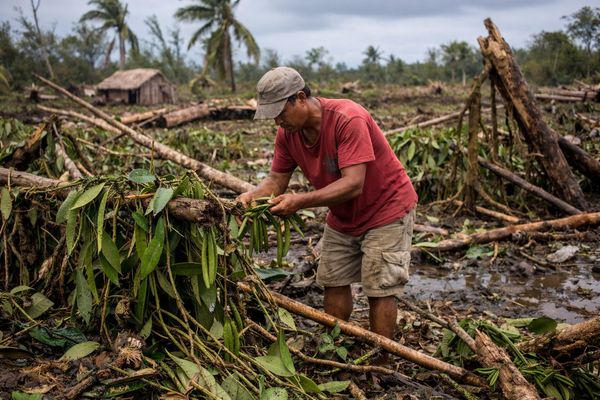
Cyclone Damage and Tight Regulation Drive Sharp Rise in Madagascar Vanilla Prices
Reduced vanilla output in Madagascar following cyclone damage, combined with tight government price controls and robust global demand, is pushing Malgasy vanilla prices sharply higher this season. Exporters report production losses along the supply chain and increased logistical friction, with international buyers already facing price increases of around 20% versus last year for premium beans.
Given Madagascar’s dominant share in the natural vanilla market and its regulated export framework, these disruptions are reverberating through global flavor supply chains. Food manufacturers, confectioners and extract producers are reassessing sourcing strategies, contract structures and product formulations as they navigate constrained supply and heightened price volatility.
Introduction
Madagascar, which accounts for roughly 80–85% of global natural vanilla bean exports, is entering the current marketing season with significantly tighter availability. Exporters report that recent cyclones have hit key production areas, destroying pods, eroding on-farm stocks and reducing exportable volumes. Some regions, notably Sava in the northeast, have been less affected and continue to supply the bulk of export-quality beans, but overall output is down and highly variable between districts.
These physical disruptions come on top of an already interventionist policy environment. The government continues to manage the vanilla sector through regulated campaign dates, licensing requirements and statutory minimum prices for both green beans and prepared exports, designed to stabilize the market and support producer incomes. In the current context of robust global demand, this combination of weather-induced supply stress and policy-driven price floors is amplifying upward pressure on prices.
🌍 Immediate Market Impact
Exporters in Madagascar report that strong international demand is colliding with reduced volumes, creating a pronounced mismatch between supply and buying interest. With losses along the supply chain and constrained stocks, exporters are struggling to fulfill orders on usual timelines, and average prices for high-quality beans are estimated to be nearly 20% higher than last season for comparable grades.
The regulated minimum export prices, set in recent years around US$250/kg for prepared beans, are preventing prices from adjusting downward even where some inventories might otherwise pressure the market. Instead, traders report that spot and contract negotiations are occurring at a premium to these floors, particularly for vanilla from less cyclone-exposed regions. The result is a higher and stickier global price structure for natural vanilla, with knock-on cost implications for downstream flavor and food industries.
📦 Supply Chain Disruptions
Cyclone damage has translated into production losses from flowering through curing, with entire zones reporting significant pod and stock destruction. Exporters highlight that this has tightened availability not only at farm level but also in intermediate curing and storage facilities, complicating quality selection and lot assembly for export.
At the same time, Madagascar’s regulatory framework imposes strict controls on harvest dates, the marketing of green vanilla, registration of collectors and preparers, and export licensing. These measures, while intended to improve quality and counter illicit trade, add procedural steps that can slow the movement of beans from rural areas to ports, especially when infrastructure has been damaged by severe weather.
Logistics costs are also under pressure. Madagascar faces a broader deterioration in its external accounts and currency, with recent food-security assessments warning of reduced foreign currency inflows from vanilla exports and a gradually depreciating ariary. A weaker local currency raises the cost of imported fuel and shipping services, feeding back into higher farm-to-port transport and export logistics costs that are ultimately reflected in FOB vanilla prices.
📊 Commodities Potentially Affected
- Natural vanilla beans and cuts – Directly impacted by lower Malagasy production and minimum export prices; buyers face higher benchmarks and tighter spot availability.
- Vanilla extracts and pastes – Manufacturers reliant on Madagascar-origin beans will see increased input costs and may pass these through to industrial and retail buyers, particularly in premium confectionery and dairy applications.
- Alternative-origin vanilla (Indonesia, Uganda, Tahiti, Latin America) – Strong demand and tight Malagasy supply are encouraging diversification into Indonesian and other origins, where exporters are positioning as substitutes and may also lift prices.
- Flavorings and reformulated ingredients – Food and beverage companies may accelerate partial substitution with vanilla flavors and other aroma compounds to manage cost inflation, shifting demand along the wider flavor ingredients complex.
🌎 Regional Trade Implications
Madagascar’s constrained vanilla exports are opening opportunities for competing origins, particularly Indonesia, now recognized as the world’s second-largest producer with around 30% of global supply, and emerging suppliers in East Africa and Latin America. Exporters from these regions are likely to capture additional market share, especially for industrial buyers willing to adjust flavor profiles or accept blended-origin products.
On the import side, demand growth in markets such as North Africa is reinforcing the global pull on limited natural vanilla. Moroccan buyers, for example, are expanding purchases of high-value agricultural imports more broadly as local supply lags behind evolving consumption and processing needs. In a tight vanilla market, such structurally growing demand centers intensify competition for Malagasy and alternative-origin beans.
For Madagascar itself, reduced export volumes and higher prices present a mixed picture. While high unit values support export revenues and, in principle, farmer incomes, recent World Bank diagnostics highlight that heavy regulation and negative nominal protection rates have historically limited price transmission to smallholders. In the current environment, any further regulatory tightening could risk diverting trade flows toward more flexible origins.
🧭 Market Outlook
In the short term, natural vanilla markets are likely to remain tight, with limited scope for price relief before new-crop volumes from less-affected regions and alternative origins reach export channels. Buyers should anticipate continued firm to higher prices for Madagascar-origin beans through the current campaign, alongside wide differentials by grade and origin.
Volatility risk is elevated. Market participants will closely monitor the scale of cyclone-related production losses, any adjustments to Madagascar’s minimum price policies or export regulations, and the pace at which Indonesia and other suppliers can ramp up compliant, traceable volumes. Currency movements, freight rates and macroeconomic conditions in key importing regions will also influence landed costs and downstream pricing decisions.
CMB Market Insight
The current Malagasy vanilla season underscores the structural vulnerability of a highly concentrated, policy-managed supply chain. With cyclones periodically disrupting production and a complex regulatory framework shaping market access and price formation, reliance on a single dominant origin exposes traders and end-users to recurrent supply shocks and cost spikes.
Strategically, vanilla buyers should intensify diversification across origins, grades and product forms, and strengthen risk management through indexed contracts, multi-year supply agreements and formulation flexibility. For now, high Malgashi prices are likely to persist, consolidating vanilla’s status as a premium, volatility-prone ingredient and keeping procurement firmly on the agenda for flavor, confectionery and dairy supply chain teams in 2026.